



HVAC Sizing Guide for WNC Homes
How HVAC systems are sized, why it matters, and what to expect from a load calculation.
HVAC Sizing Guide for WNC Homes
Proper HVAC sizing is the single most important factor in long-term comfort, efficiency, and system lifespan. It's also the step most commonly done wrong.
Why Sizing Matters
An improperly sized HVAC system causes: higher energy bills (15–30% higher than a properly sized system), poor humidity control (oversized systems don't dehumidify), uneven temperatures (hot and cold spots), shorter equipment lifespan (from short-cycling or constant running), and more frequent repairs. Getting this right saves thousands over the life of the system.
How Professional Sizing Works (Manual J)
The industry standard is ACCA Manual J — a room-by-room load calculation that considers: your home's square footage and layout, insulation values (walls, attic, floors, foundation), window specifications (size, type, U-factor, SHGC, orientation), air infiltration rate (blower door test data when available), internal heat gains (people, appliances, lighting), ductwork location and condition, and local WNC climate data (heating design temp ~14°F, cooling design temp ~89°F). The result is a precise BTU number for both heating and cooling — this determines the correct equipment size.
Common Sizing Mistakes
"Rules of thumb" like 1 ton per 400–600 sq ft are dangerously imprecise. Many contractors oversize by 50% or more "for safety." Oversized equipment short-cycles, wastes energy, and creates humidity problems. WNC's mountain elevation (2,000–4,000 ft) and temperature variations mean flat-land assumptions don't apply. A new system should be sized to YOUR home — not based on what was there before.
Sizing for Different System Types
Central AC or heat pump: sized by tons (1 ton = 12,000 BTU/hr). Furnace: sized by BTU input and output. Mini splits: sized by BTU for each zone. Dual fuel systems: heat pump sized for cooling load, furnace backup for heating design temperature. See what size AC you need for specific ranges by home size.
Get a Professional Load Calculation
Quality Comfort performs Manual J load calculations for every new HVAC installation in Asheville. We size your system to your actual home — not a rule of thumb. This ensures maximum comfort, efficiency, and equipment lifespan. Free estimates: (828) 252-8544.
How This Applies to Homes in Western NC
Mountain homes in WNC have unique sizing challenges. Homes in Marshall and Mars Hill often have varied insulation quality. Cathedral ceilings (common in Asheville and Lake Lure mountain homes) increase the volume that needs conditioning. And homes at higher elevations in Burnsville or Spruce Pine need more heating capacity than valley homes in Mills River or Fletcher. A proper Manual J calculation accounts for all of these factors. Call Quality Comfort at (828) 252-8544 — we never guess on sizing.
Why Choose Quality Comfort
- NATE-certified technicians
- 20+ years of experience
- Free in-home assessments
- Upfront, honest pricing
- All major brands installed
- Financing available, subject to credit approval
Need expert advice?
(828) 252-8544
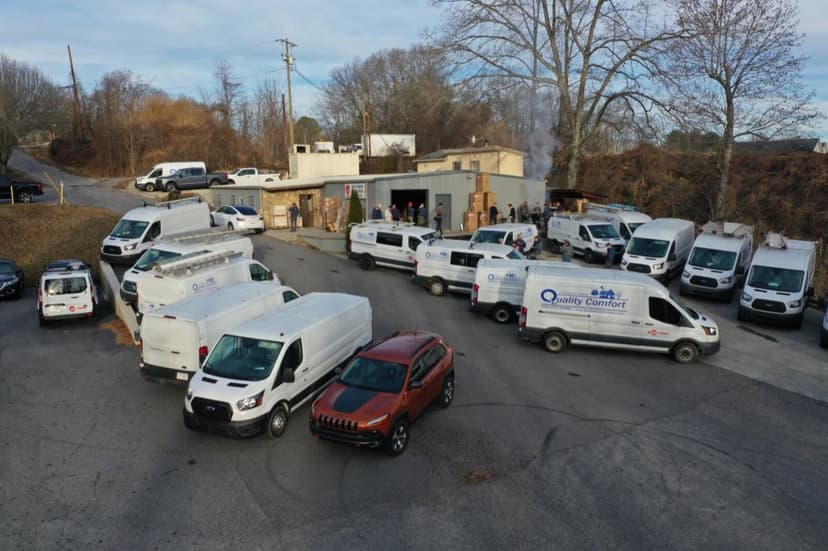

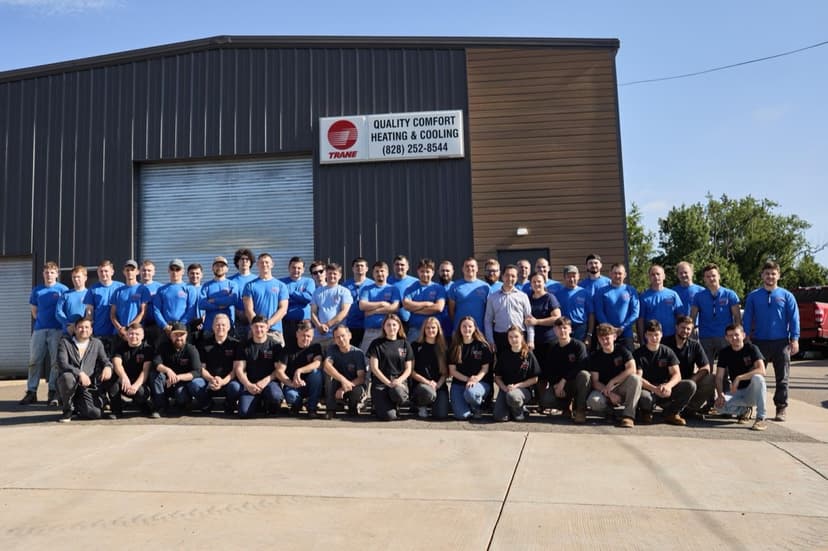
NATE-certified. Locally owned. Serving Western NC since 2005.
Written by the Quality Comfort Team
NATE-Certified HVAC Professionals · Serving Western NC Since 2005
This guide was written and reviewed by our team of NATE-certified HVAC technicians with over 20 years of combined experience installing and servicing heating and cooling systems across Western North Carolina. We provide honest, practical advice based on real-world experience in WNC homes.
FAQ
HVAC Sizing Guide for WNC Homes FAQs
Related Guides & Services
What Size AC Unit Do I Need?
How to determine the right AC size for your home — and why getting it wrong costs you.
AC Installation & Replacement
High-efficiency AC installation and replacement sized perfectly for your home. Includes load calculation, all brands, and manufacturer warranties.
HVAC Installation
Professional HVAC installation with load calculations to size your system right. High-efficiency systems with full manufacturer warranties.
Related Services
HVAC Installation
Professional HVAC installation with load calculations to size your system right. High-efficiency systems with full manufacturer warranties.
AC Installation & Replacement
High-efficiency AC installation and replacement sized perfectly for your home. Includes load calculation, all brands, and manufacturer warranties.
Heat Pump Installation
High-efficiency heat pump installation — enjoy year-round comfort and big savings on energy bills.
HVAC Sizing Guide for WNC Homes? We Can Help.
Get expert advice from our NATE-certified team. Call today or request a free quote.