



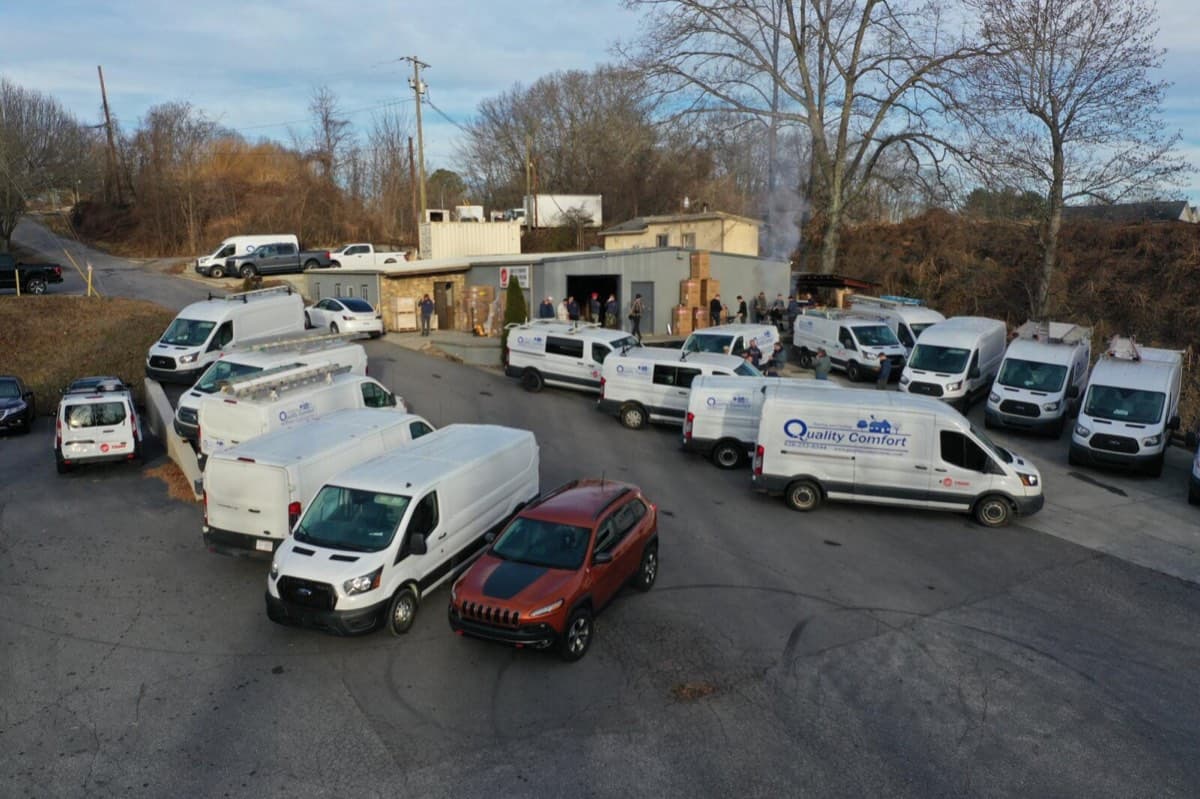
Forced Air vs Heat Pump in Pisgah Forest, NC
Forced air furnace or heat pump? Compare heating performance, efficiency, and costs for WNC mountain homes. Proudly serving Pisgah Forest & Transylvania County.
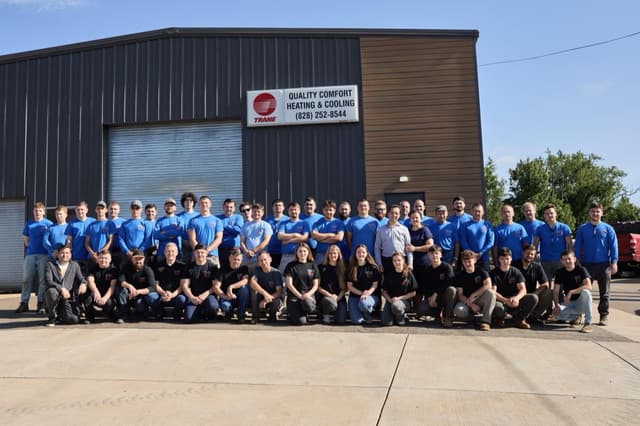
Professional Forced Air vs Heat Pump in Pisgah Forest, NC
When you need forced air vs heat pump in Pisgah Forest, NC, Quality Comfort Heating & Cooling is just 35 minutes southwest from our Asheville headquarters — meaning fast response times and reliable service. We've been the NATE-certified team that Pisgah Forest area residents trust since 2005.
Located just outside Brevard near the entrance to Pisgah National Forest, Pisgah Forest is a natural extension of our Transylvania County service area. Quality Comfort provides heating, cooling, and moisture management services to Pisgah Forest homeowners who face the unique challenges of living in one of the wettest areas in the eastern United States.
Heating in Pisgah Forest comes with unique demands. At 2,087 feet elevation, winters are moderate but still require a reliable heating system. Pisgah Forest shares Transylvania County's extreme rainfall — averaging 70+ inches per year — making dehumidification a top HVAC priority. Homes near the Davidson River and Pisgah National Forest are heavily shaded by mature tree canopy, which reduces cooling loads but increases moisture problems and debris accumulation on outdoor units. Many properties here are older, with original ductwork running through damp crawl spaces that need remediation before HVAC upgrades will perform properly. Our heating technicians factor in these Pisgah Forest-specific conditions for every repair and installation.
Understanding the Fundamental Difference
A forced air furnace generates heat by burning fuel (gas, propane, or oil) or using electric resistance elements, then forces the heated air through ductwork using a blower. A heat pump doesn't generate heat at all — it transfers heat from outdoor air into your home using a refrigeration cycle, essentially running an air conditioner in reverse. This distinction has major implications for operating cost, efficiency, environmental impact, and performance in Western North Carolina's mountain climate.
Efficiency and Operating Cost
Heat pumps are dramatically more efficient than any forced air furnace. A gas furnace tops out at 98% efficiency (98 cents of heat for every dollar of gas). A heat pump delivers 200–400% efficiency — for every dollar of electricity, it moves $2–$4 worth of heat into your home. Even with electricity costing more per unit than gas, heat pumps often cost the same or less to operate than gas furnaces in moderate climates. In WNC's colder winters, heat pump efficiency does decrease at very low temperatures, which is why many homeowners choose dual-fuel systems — a heat pump for mild-to-cold weather with a gas furnace backup for extreme cold snaps.
Which Is Right for Your WNC Home?
If your home has natural gas service and you're replacing an existing gas furnace, a dual-fuel system combines the best of both worlds. If you have propane (which is expensive) or all-electric service, a cold-climate heat pump is almost certainly the best choice — modern models from Trane, Carrier, and Mitsubishi maintain heating output well below 0°F. If you're building new, a heat pump eliminates the need for gas line installation, venting, and associated costs. Quality Comfort evaluates your specific fuel costs, home characteristics, and climate exposure to recommend the system that delivers the best comfort and value.
HVAC Challenges in Pisgah Forest
Pisgah Forest shares Transylvania County's extreme rainfall — averaging 70+ inches per year — making dehumidification a top HVAC priority. Homes near the Davidson River and Pisgah National Forest are heavily shaded by mature tree canopy, which reduces cooling loads but increases moisture problems and debris accumulation on outdoor units. Many properties here are older, with original ductwork running through damp crawl spaces that need remediation before HVAC upgrades will perform properly.
Seasonal Tip for Pisgah Forest Homeowners
Pisgah Forest's heavy tree canopy means outdoor condenser units accumulate leaves and debris faster than in open areas. Clear vegetation and debris at least 24 inches around your unit monthly, and schedule coil cleaning every spring to maintain peak efficiency through the humid summer months.

Serving Pisgah Forest & Transylvania County
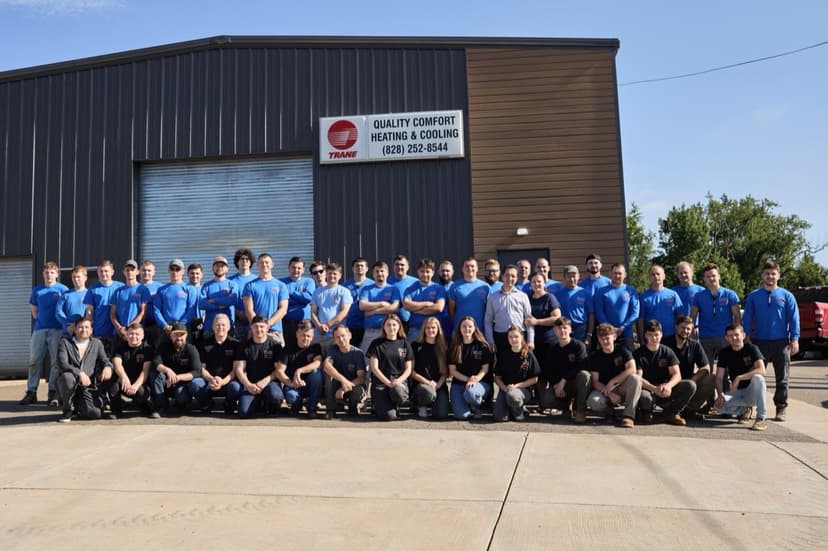
Serving Pisgah Forest
- 35 minutes southwest from our Asheville office
- Same-day appointments available
- 24/7 emergency response
- NATE-certified technicians
- Free estimates on installations
- Financing available, subject to credit approval
Neighborhoods We Serve
Pisgah Forest Village · Davidson River area · Ecusta Trail corridor · Pisgah Highway · Cherryfield
Need help now?
(828) 252-8544
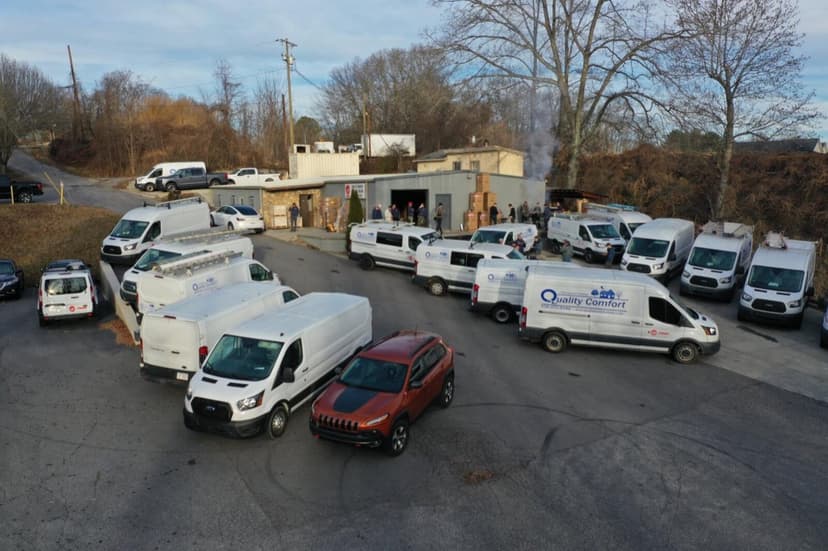

NATE-certified. Locally owned. Serving Western NC since 2005.
FAQ
Frequently Asked Questions About Forced Air vs Heat Pump in Pisgah Forest
Helpful Guides
Heat Pump System Guide
How heat pumps work, costs, efficiency, and whether one is right for your WNC home.
How Long Do Heat Pumps Last?
Heat pump lifespan, maintenance tips, and when to plan for replacement.
Heat Pump Efficiency Guide
How heat pump efficiency works, what affects it, and how to maximize savings.
AC vs Heat Pump: Which System Should You Choose?
Central AC vs heat pump — costs, efficiency, and which is better for WNC homes.
Need Forced Air vs Heat Pump in Pisgah Forest?
Quality Comfort is 35 minutes southwest away. Call today for fast, professional service.