



Heat Pump Defrost Cycle Explained in Highlands, NC
Steam rising from your heat pump in winter? That's the defrost cycle — here's how it works and when something's wrong. Proudly serving Highlands & Macon County.
Professional Heat Pump Defrost Cycle Explained in Highlands, NC
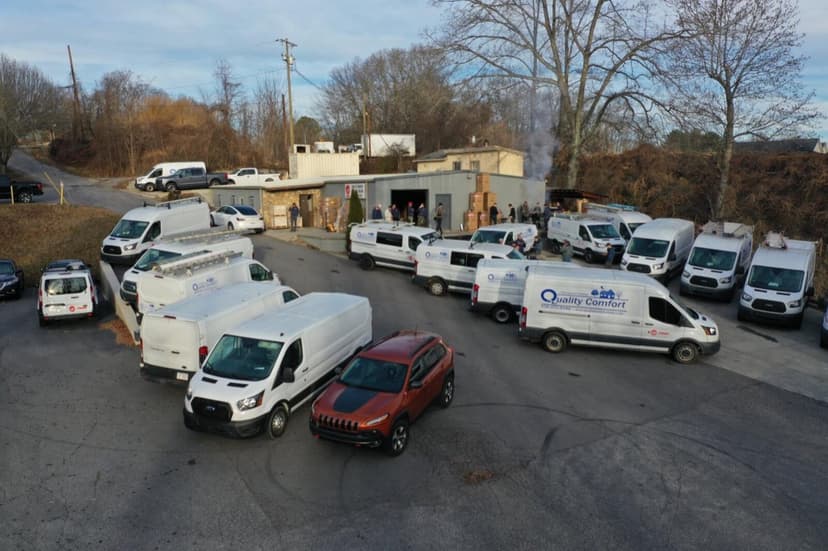
When you need heat pump defrost cycle explained in Highlands, NC, Quality Comfort Heating & Cooling is just 1.5 hours southwest from our Asheville headquarters — meaning fast response times and reliable service. We've been the NATE-certified team that Highlands area residents trust since 2005.
Highlands' prestigious mountain community demands premium HVAC service matched to extreme high-elevation conditions. Quality Comfort provides specialized heating, cooling, and dehumidification services to Highlands homes, from luxury estates to charming downtown properties. We understand the unique demands of HVAC at 4,100+ feet.
Heating in Highlands comes with unique demands. At 4,118 feet elevation, winters are longer and colder than lower-elevation communities. At over 4,100 feet, Highlands is the highest-elevation community in our service area and one of the coldest east of the Rockies. Standard heat pumps simply cannot keep up here — cold-climate or dual-fuel systems are mandatory. The area's extreme rainfall (80+ inches annually) combined with cool temperatures creates relentless moisture that accelerates ductwork corrosion and mold growth. Many luxury homes have complex multi-zone systems that require advanced balancing expertise. Our heating technicians factor in these Highlands-specific conditions for every repair and installation.
What Is the Heat Pump Defrost Cycle?
If you own a heat pump in Asheville or Western North Carolina, you've probably seen it: on a cold winter morning, your outdoor unit suddenly starts blowing steam, the fan stops, and the system seems to switch into cooling mode briefly. This is the defrost cycle, and it's completely normal. During heating mode, your heat pump extracts warmth from outdoor air by running extremely cold refrigerant through the outdoor coil. When outdoor temperatures drop below about 40 degrees and humidity is present, frost naturally builds up on the coil — and that frost must be melted periodically to maintain heating efficiency.
How Defrost Works
When the control board detects frost buildup (through temperature sensors or a timer), it temporarily reverses the refrigerant flow — essentially running the system in cooling mode for a few minutes to send hot refrigerant through the outdoor coil and melt the ice. During this time, the outdoor fan shuts off to prevent blowing cold air over the coil (which would defeat the purpose), and your system activates auxiliary heat strips or backup heating to prevent cold air from blowing into your home. A normal defrost cycle lasts 2 to 10 minutes and occurs a few times per day in cold weather.
When Defrost Becomes a Problem
If your heat pump defrosts too frequently (every 30 minutes or more), stays in defrost for extended periods, or fails to defrost at all (leaving the outdoor coil covered in thick ice), something is wrong. Common causes include a faulty defrost control board, a stuck reversing valve, a bad defrost thermostat or sensor, low refrigerant charge, or a failed outdoor fan motor. A heat pump caked in ice is losing efficiency rapidly and stressing the compressor.
Quality Comfort Knows Heat Pumps
Heat pumps are the primary heating system for thousands of WNC homes, and understanding the defrost cycle is essential to proper heat pump repair. Our technicians diagnose defrost issues by testing the control board, sensors, reversing valve, and refrigerant charge — not by guessing. If your heat pump seems to be icing up too much or not defrosting properly, call us before the problem causes compressor damage.
HVAC Challenges in Highlands
At over 4,100 feet, Highlands is the highest-elevation community in our service area and one of the coldest east of the Rockies. Standard heat pumps simply cannot keep up here — cold-climate or dual-fuel systems are mandatory. The area's extreme rainfall (80+ inches annually) combined with cool temperatures creates relentless moisture that accelerates ductwork corrosion and mold growth. Many luxury homes have complex multi-zone systems that require advanced balancing expertise.
Seasonal Tip for Highlands Homeowners
Highlands' extreme elevation means frost can occur any month of the year. Never fully shut off your heating system, even in summer. We recommend maintaining a 58°F minimum year-round and having your system inspected twice annually — once before the long heating season and once mid-winter to catch any issues before the coldest months.

Serving Highlands & Macon County
Serving Highlands
- 1.5 hours southwest from our Asheville office
- Same-day appointments available
- 24/7 emergency response
- NATE-certified technicians
- Free estimates on installations
- Financing available, subject to credit approval
Neighborhoods We Serve
Downtown Highlands · Highlands Falls Country Club · Cullasaja · Horse Cove · Whiteside Cove · Mirror Lake
Need help now?
(828) 252-8544

NATE-certified. Locally owned. Serving Western NC since 2005.
FAQ
Frequently Asked Questions About Heat Pump Defrost Cycle Explained in Highlands
Helpful Guides
Heat Pump System Guide
How heat pumps work, costs, efficiency, and whether one is right for your WNC home.
How Long Do Heat Pumps Last?
Heat pump lifespan, maintenance tips, and when to plan for replacement.
Heat Pump Efficiency Guide
How heat pump efficiency works, what affects it, and how to maximize savings.
AC vs Heat Pump: Which System Should You Choose?
Central AC vs heat pump — costs, efficiency, and which is better for WNC homes.
Need Heat Pump Defrost Cycle Explained in Highlands?
Quality Comfort is 1.5 hours southwest away. Call today for fast, professional service.