



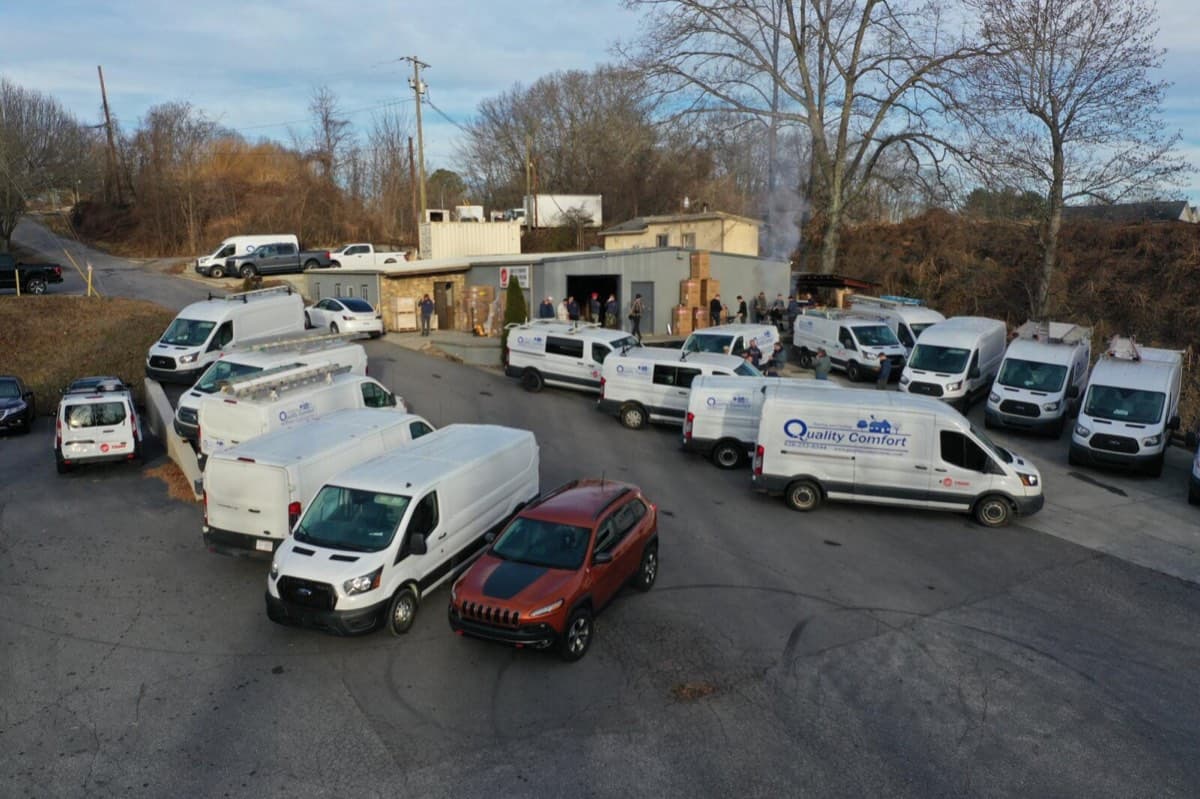
Heat Pump Emergency Heat — When to Use It in Columbus, NC
What does the 'Emergency Heat' setting on your thermostat do? When should you use it? Answers for WNC homeowners. Proudly serving Columbus & Polk County.
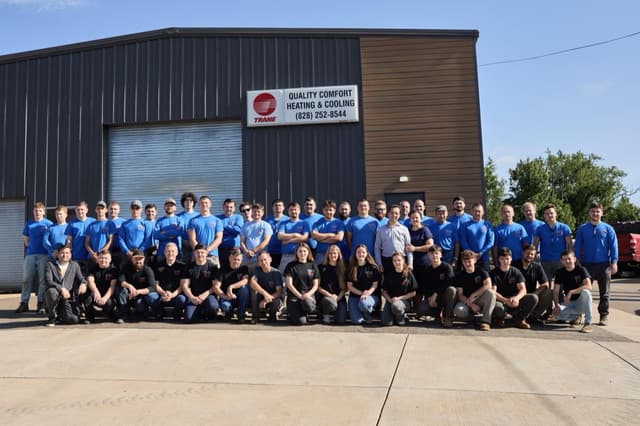
Professional Heat Pump Emergency Heat — When to Use It in Columbus, NC
When you need heat pump emergency heat — when to use it in Columbus, NC, Quality Comfort Heating & Cooling is just 55 minutes south from our Asheville headquarters — meaning fast response times and reliable service. We've been the NATE-certified team that Columbus area residents trust since 2005.
Quality Comfort serves Columbus and Polk County with professional heating and cooling services. From the county seat's established neighborhoods to rural properties throughout the area, we provide expert HVAC installation, repair, and maintenance designed for the foothills climate where summer cooling demands are higher than the surrounding mountains.
Heating in Columbus comes with unique demands. At 1,140 feet elevation, winters are moderate but still require a reliable heating system. As the Polk County seat, Columbus sits at the transition between the Blue Ridge foothills and the mountain uplands. Like nearby Tryon, the thermal belt effect keeps winters milder than communities at similar elevations farther north. However, summer heat and humidity are more intense here, making proper AC sizing and dehumidification critical. Many rural Columbus-area homes rely on propane or electric heating since natural gas service is limited outside the town center. Our heating technicians factor in these Columbus-specific conditions for every repair and installation.
What Is Emergency Heat?
Every heat pump thermostat has an "Emergency Heat" or "Em Heat" setting, and most homeowners in Asheville and Western North Carolina have no idea when to use it — or what it actually does. Emergency heat bypasses your heat pump entirely and relies solely on your backup heating system, which is typically electric resistance heat strips built into your air handler. This backup system is less efficient (and more expensive to operate) than your heat pump, which is why it's labeled "emergency" — it's meant for situations where the heat pump itself cannot operate.
When to Switch to Emergency Heat
Use emergency heat only when your heat pump has physically failed and cannot run — for example, if the outdoor unit is damaged, the compressor has failed, or the unit is completely iced over and the defrost cycle isn't working. Emergency heat keeps your home warm while you wait for repair. Do NOT switch to emergency heat just because it's cold outside. Modern heat pumps, especially cold climate models, are designed to heat efficiently even in sub-freezing temperatures. Running on emergency heat when the heat pump is functional wastes enormous amounts of electricity.
The Cost of Running Emergency Heat
Electric resistance heat is roughly three times more expensive to operate than a heat pump per unit of heating. If your heat pump has a COP (coefficient of performance) of 3.0, it produces three units of heat for every unit of electricity consumed. Emergency heat strips have a COP of 1.0 — they convert electricity to heat at a 1:1 ratio. Running emergency heat for even a few days during a WNC winter can add $100 to $300 to your electric bill. This is why prompt heat pump repair is critical.
Call Us Instead of Staying on Emergency Heat
If you've had to switch to emergency heat because your heat pump isn't working, call Quality Comfort right away. We provide emergency heat pump repair across Western North Carolina. The sooner we get your heat pump running again, the sooner your energy bills return to normal.
HVAC Challenges in Columbus
As the Polk County seat, Columbus sits at the transition between the Blue Ridge foothills and the mountain uplands. Like nearby Tryon, the thermal belt effect keeps winters milder than communities at similar elevations farther north. However, summer heat and humidity are more intense here, making proper AC sizing and dehumidification critical. Many rural Columbus-area homes rely on propane or electric heating since natural gas service is limited outside the town center.
Seasonal Tip for Columbus Homeowners
Columbus homeowners with propane furnaces should lock in propane prices early in summer when rates are lowest. Schedule your furnace inspection at the same time as a propane delivery in September — catching issues early saves both emergency repair costs and fuel waste from an inefficient system.

Serving Columbus & Polk County
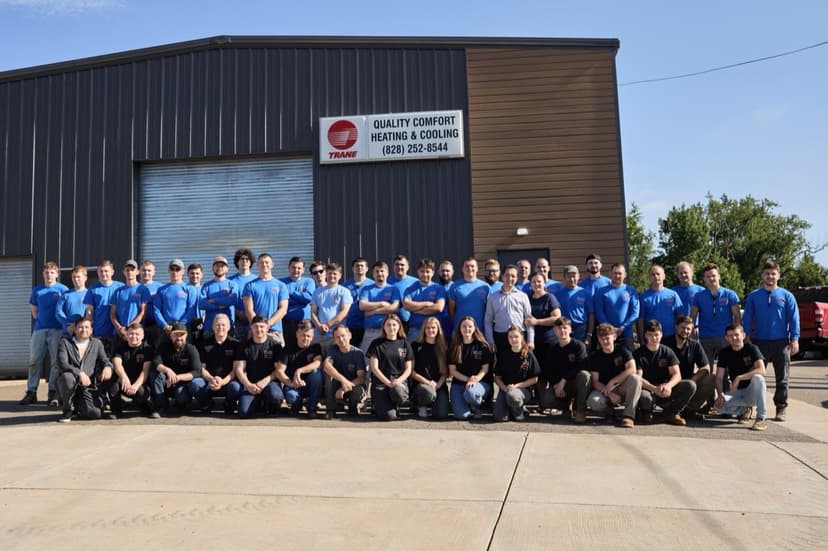
Serving Columbus
- 55 minutes south from our Asheville office
- Same-day appointments available
- 24/7 emergency response
- NATE-certified technicians
- Free estimates on installations
- Financing available, subject to credit approval
Neighborhoods We Serve
Downtown Columbus · Sunny View · Mill Spring · Green Creek · Cooper Gap
Need help now?
(828) 252-8544
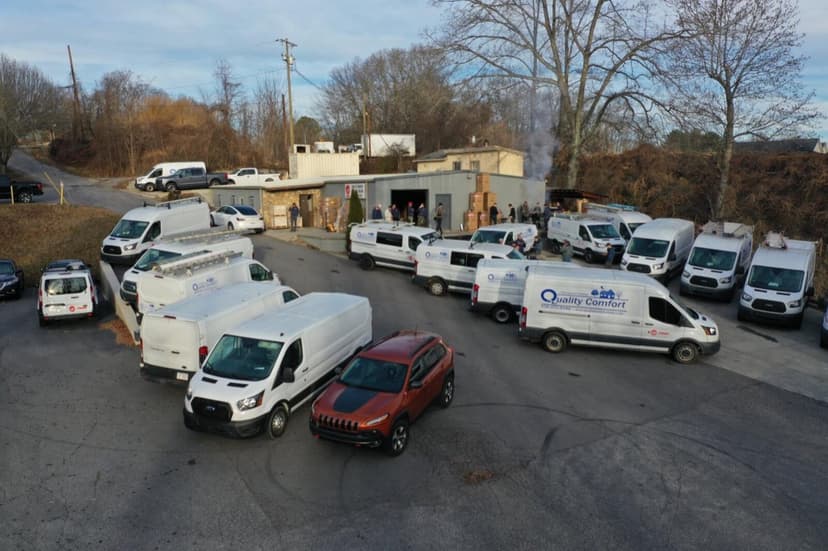

NATE-certified. Locally owned. Serving Western NC since 2005.
FAQ
Frequently Asked Questions About Heat Pump Emergency Heat — When to Use It in Columbus
Helpful Guides
Heat Pump System Guide
How heat pumps work, costs, efficiency, and whether one is right for your WNC home.
How Long Do Heat Pumps Last?
Heat pump lifespan, maintenance tips, and when to plan for replacement.
Heat Pump Efficiency Guide
How heat pump efficiency works, what affects it, and how to maximize savings.
AC vs Heat Pump: Which System Should You Choose?
Central AC vs heat pump — costs, efficiency, and which is better for WNC homes.
Need Heat Pump Emergency Heat — When to Use It in Columbus?
Quality Comfort is 55 minutes south away. Call today for fast, professional service.