



How to Change Your Furnace Filter — Size, Type & Frequency in Pisgah Forest, NC
Complete guide to finding, sizing, choosing, and replacing your furnace filter — the most impactful DIY maintenance task. Proudly serving Pisgah Forest & Transylvania County.
Professional How to Change Your Furnace Filter — Size, Type & Frequency in Pisgah Forest, NC
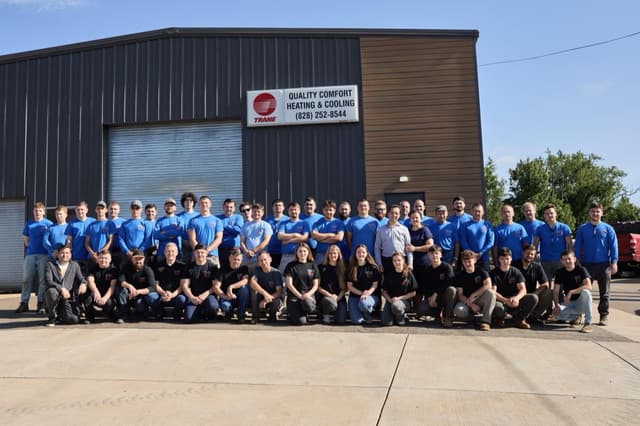
When you need how to change your furnace filter — size, type & frequency in Pisgah Forest, NC, Quality Comfort Heating & Cooling is just 35 minutes southwest from our Asheville headquarters — meaning fast response times and reliable service. We've been the NATE-certified team that Pisgah Forest area residents trust since 2005.
Located just outside Brevard near the entrance to Pisgah National Forest, Pisgah Forest is a natural extension of our Transylvania County service area. Quality Comfort provides heating, cooling, and moisture management services to Pisgah Forest homeowners who face the unique challenges of living in one of the wettest areas in the eastern United States.
When it comes to cooling in Pisgah Forest, the local conditions matter. Pisgah Forest shares Transylvania County's extreme rainfall — averaging 70+ inches per year — making dehumidification a top HVAC priority. Homes near the Davidson River and Pisgah National Forest are heavily shaded by mature tree canopy, which reduces cooling loads but increases moisture problems and debris accumulation on outdoor units. Many properties here are older, with original ductwork running through damp crawl spaces that need remediation before HVAC upgrades will perform properly. Our AC technicians understand these Pisgah Forest-specific factors and size every repair and recommendation accordingly.
Why This Is the Most Important Thing You Can Do for Your HVAC
Changing your furnace filter is the single most impactful maintenance task a homeowner can do — and it takes less than 2 minutes. A clean filter improves airflow, reduces energy consumption by 5–15%, prevents frozen coils, protects the blower motor, and improves indoor air quality. A dirty filter does the opposite of all those things and can lead to expensive repairs. Despite this, the average American home goes 3–6 months between filter changes. Don't be average.
Finding and Sizing Your Filter
Your filter is located in the return air duct or the furnace itself. Look for a slot or compartment, usually near the blower, with a removable cover or door. Remove the existing filter and check the size printed on its frame — it'll read something like 16x25x1 or 20x25x4. If there's no size printed, measure the length, width, and depth yourself. Write these dimensions down or photograph them. Common sizes for WNC homes are 16x20x1, 16x25x1, 20x20x1, and 20x25x1. Homes with media filter cabinets use thicker 4" or 5" filters.
Choosing the Right Filter Type
Fiberglass filters (MERV 1–4) are cheap but barely filter anything — they protect the equipment, not your lungs. Pleated filters (MERV 8–11) offer the best balance of filtration and airflow for most systems. High-efficiency filters (MERV 13+) capture very fine particles but can restrict airflow in systems not designed for them — check with a technician before upgrading. For allergy sufferers in WNC's pollen-heavy environment, a MERV 11 pleated filter is an excellent choice that won't strain your system.
How Often to Change It
1" filters: every 30–60 days during heavy use (summer and winter), every 90 days in mild seasons. 4" filters: every 6–12 months. Homes with pets, smokers, or dusty conditions should change more frequently. Set a recurring reminder on your phone — it's the easiest way to stay on schedule. During Asheville's heavy pollen season (March–May), check your filter every two weeks.
HVAC Challenges in Pisgah Forest
Pisgah Forest shares Transylvania County's extreme rainfall — averaging 70+ inches per year — making dehumidification a top HVAC priority. Homes near the Davidson River and Pisgah National Forest are heavily shaded by mature tree canopy, which reduces cooling loads but increases moisture problems and debris accumulation on outdoor units. Many properties here are older, with original ductwork running through damp crawl spaces that need remediation before HVAC upgrades will perform properly.
Seasonal Tip for Pisgah Forest Homeowners
Pisgah Forest's heavy tree canopy means outdoor condenser units accumulate leaves and debris faster than in open areas. Clear vegetation and debris at least 24 inches around your unit monthly, and schedule coil cleaning every spring to maintain peak efficiency through the humid summer months.

Serving Pisgah Forest & Transylvania County
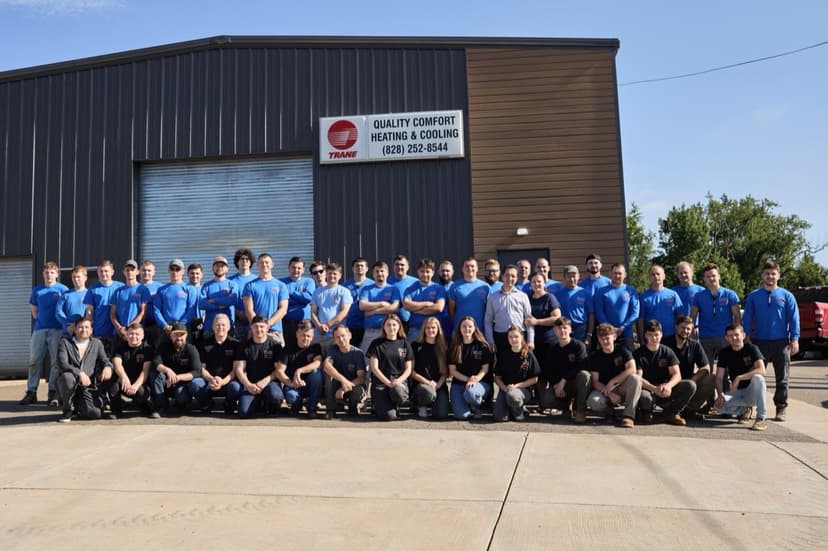
Serving Pisgah Forest
- 35 minutes southwest from our Asheville office
- Same-day appointments available
- 24/7 emergency response
- NATE-certified technicians
- Free estimates on installations
- Financing available, subject to credit approval
Neighborhoods We Serve
Pisgah Forest Village · Davidson River area · Ecusta Trail corridor · Pisgah Highway · Cherryfield
Need help now?
(828) 252-8544

NATE-certified. Locally owned. Serving Western NC since 2005.
FAQ
Frequently Asked Questions About How to Change Your Furnace Filter — Size, Type & Frequency in Pisgah Forest
Helpful Guides
Central Air Conditioner Guide
How central AC works, what it costs, and how to choose the right system for your home.
How Long Do AC Units Last?
AC unit lifespan, signs it's failing, and when replacement makes more sense than repair.
SEER Rating Explained
What is SEER2 and how does it affect your energy bills? Plain-English guide from Quality Comfort.
What Size AC Unit Do I Need?
How to determine the right AC size for your home — and why getting it wrong costs you.
Need How to Change Your Furnace Filter — Size, Type & Frequency in Pisgah Forest?
Quality Comfort is 35 minutes southwest away. Call today for fast, professional service.