



How to Clean AC Coils — DIY vs Professional Cleaning in Pisgah Forest, NC
Dirty AC coils kill efficiency — learn what you can safely clean yourself and when to call a pro for deep cleaning. Proudly serving Pisgah Forest & Transylvania County.
Professional How to Clean AC Coils — DIY vs Professional Cleaning in Pisgah Forest, NC
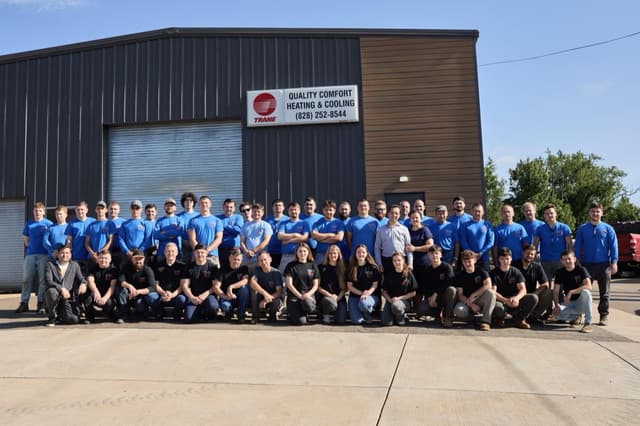
When you need how to clean ac coils — diy vs professional cleaning in Pisgah Forest, NC, Quality Comfort Heating & Cooling is just 35 minutes southwest from our Asheville headquarters — meaning fast response times and reliable service. We've been the NATE-certified team that Pisgah Forest area residents trust since 2005.
Located just outside Brevard near the entrance to Pisgah National Forest, Pisgah Forest is a natural extension of our Transylvania County service area. Quality Comfort provides heating, cooling, and moisture management services to Pisgah Forest homeowners who face the unique challenges of living in one of the wettest areas in the eastern United States.
When it comes to cooling in Pisgah Forest, the local conditions matter. Pisgah Forest shares Transylvania County's extreme rainfall — averaging 70+ inches per year — making dehumidification a top HVAC priority. Homes near the Davidson River and Pisgah National Forest are heavily shaded by mature tree canopy, which reduces cooling loads but increases moisture problems and debris accumulation on outdoor units. Many properties here are older, with original ductwork running through damp crawl spaces that need remediation before HVAC upgrades will perform properly. Our AC technicians understand these Pisgah Forest-specific factors and size every repair and recommendation accordingly.
Why Clean Coils Matter So Much
Your AC has two coils: the condenser coil (outdoor) and the evaporator coil (indoor). Both need to be clean to transfer heat efficiently. Dirty coils force your system to work harder, increasing energy consumption by 10–30% and reducing cooling capacity. In Western North Carolina, outdoor coils collect pollen, cottonwood seeds, grass clippings, and dirt. Indoor coils accumulate dust, pet dander, and biological growth. Keeping them clean is one of the best ways to maintain efficiency and extend system life.
Cleaning the Outdoor Condenser Coil (DIY-Friendly)
You can safely clean the outdoor condenser coil yourself. Turn off the system at the thermostat and outdoor disconnect. Remove any large debris (leaves, sticks) from the top and around the unit. Using a garden hose with moderate pressure, spray the coils from the inside out — this pushes debris out rather than deeper in. Work from top to bottom, section by section. For heavy buildup, use a commercial coil cleaner (available at hardware stores) — spray it on, wait 10 minutes, then rinse. Never use a pressure washer, which bends the delicate fins.
The Evaporator Coil: Leave This to Professionals
The indoor evaporator coil is harder to access and more delicate. It sits inside the air handler or on top of the furnace in a sealed cabinet. Cleaning it properly requires removing panels, applying no-rinse foaming coil cleaner, and ensuring the condensate drain is clear. Aggressive cleaning can damage fins and cause refrigerant leaks. Professional coil cleaning during annual AC maintenance is the safest and most effective approach.
How Often Should Coils Be Cleaned?
Outside condenser: rinse with a garden hose at least once per year, ideally in late spring before heavy cooling season. In Asheville's pollen-heavy environment, a second rinse in June is beneficial. Inside evaporator: professionally cleaned once per year as part of your annual maintenance tune-up. Homes with pets, smokers, or poor filtration may need more frequent professional cleaning.
HVAC Challenges in Pisgah Forest
Pisgah Forest shares Transylvania County's extreme rainfall — averaging 70+ inches per year — making dehumidification a top HVAC priority. Homes near the Davidson River and Pisgah National Forest are heavily shaded by mature tree canopy, which reduces cooling loads but increases moisture problems and debris accumulation on outdoor units. Many properties here are older, with original ductwork running through damp crawl spaces that need remediation before HVAC upgrades will perform properly.
Seasonal Tip for Pisgah Forest Homeowners
Pisgah Forest's heavy tree canopy means outdoor condenser units accumulate leaves and debris faster than in open areas. Clear vegetation and debris at least 24 inches around your unit monthly, and schedule coil cleaning every spring to maintain peak efficiency through the humid summer months.

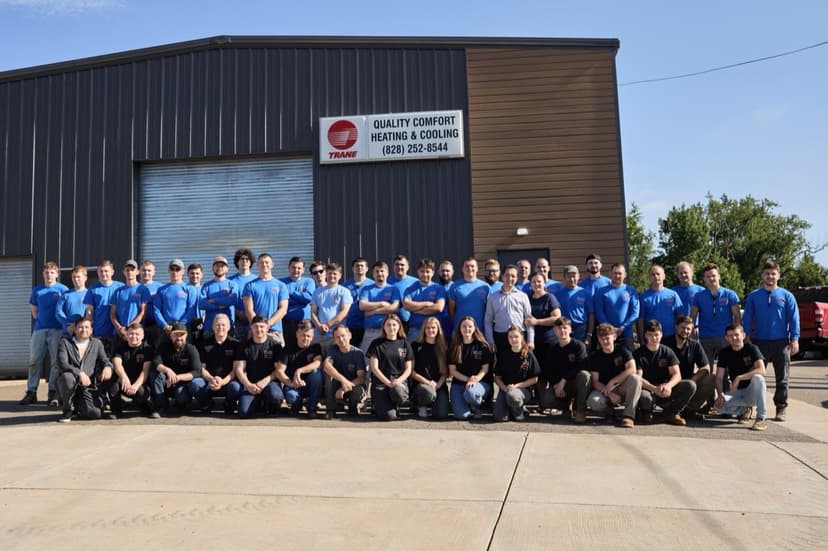
Serving Pisgah Forest & Transylvania County
Serving Pisgah Forest
- 35 minutes southwest from our Asheville office
- Same-day appointments available
- 24/7 emergency response
- NATE-certified technicians
- Free estimates on installations
- Financing available, subject to credit approval
Neighborhoods We Serve
Pisgah Forest Village · Davidson River area · Ecusta Trail corridor · Pisgah Highway · Cherryfield
Need help now?
(828) 252-8544
NATE-certified. Locally owned. Serving Western NC since 2005.
FAQ
Frequently Asked Questions About How to Clean AC Coils — DIY vs Professional Cleaning in Pisgah Forest
Related Services
Helpful Guides
Central Air Conditioner Guide
How central AC works, what it costs, and how to choose the right system for your home.
How Long Do AC Units Last?
AC unit lifespan, signs it's failing, and when replacement makes more sense than repair.
SEER Rating Explained
What is SEER2 and how does it affect your energy bills? Plain-English guide from Quality Comfort.
What Size AC Unit Do I Need?
How to determine the right AC size for your home — and why getting it wrong costs you.
Need How to Clean AC Coils — DIY vs Professional Cleaning in Pisgah Forest?
Quality Comfort is 35 minutes southwest away. Call today for fast, professional service.