



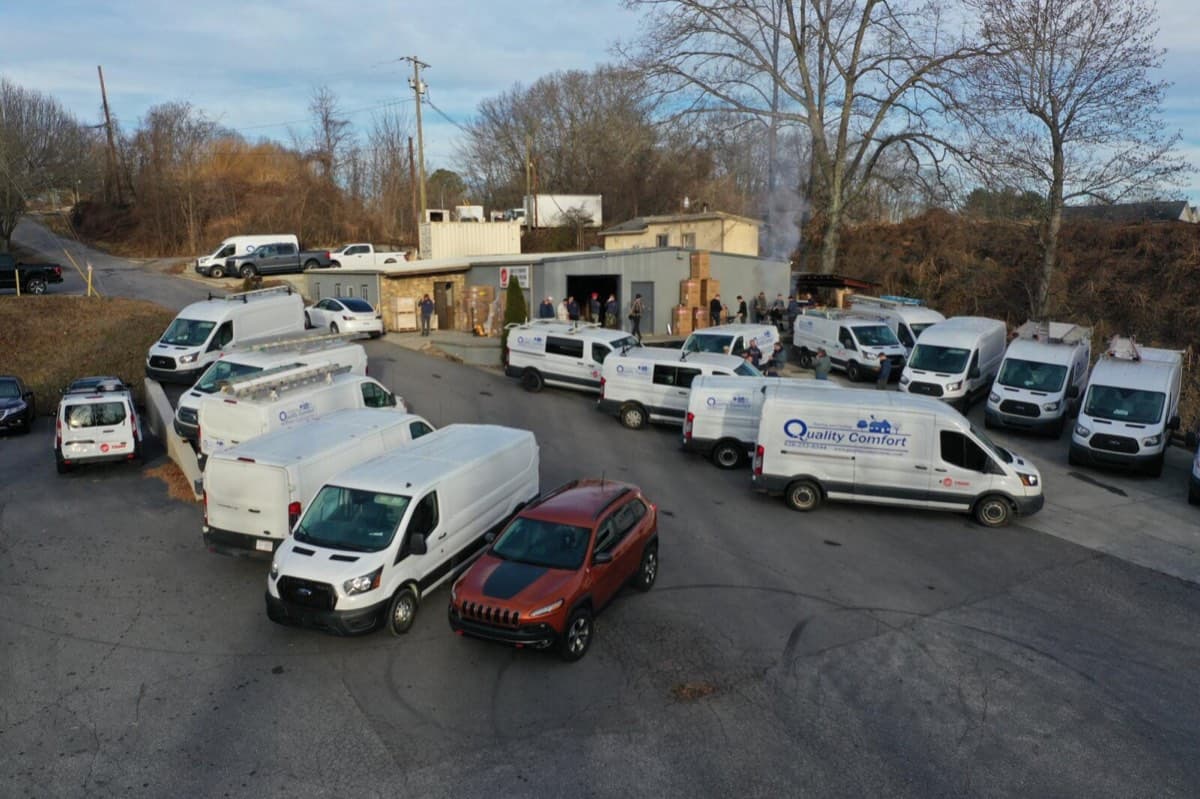
HVAC Permits in North Carolina — Requirements & Process in Columbus, NC
Understanding NC HVAC permit requirements — what work requires a permit, who pulls it, and why it matters. Proudly serving Columbus & Polk County.
Professional HVAC Permits in North Carolina — Requirements & Process in Columbus, NC
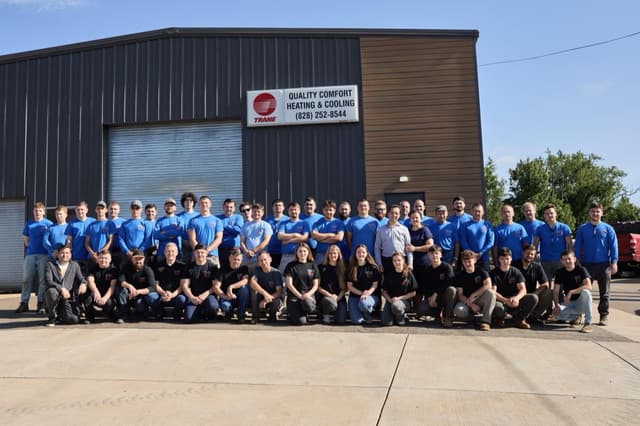
When you need hvac permits in north carolina — requirements & process in Columbus, NC, Quality Comfort Heating & Cooling is just 55 minutes south from our Asheville headquarters — meaning fast response times and reliable service. We've been the NATE-certified team that Columbus area residents trust since 2005.
Quality Comfort serves Columbus and Polk County with professional heating and cooling services. From the county seat's established neighborhoods to rural properties throughout the area, we provide expert HVAC installation, repair, and maintenance designed for the foothills climate where summer cooling demands are higher than the surrounding mountains.
When it comes to cooling in Columbus, the local conditions matter. As the Polk County seat, Columbus sits at the transition between the Blue Ridge foothills and the mountain uplands. Like nearby Tryon, the thermal belt effect keeps winters milder than communities at similar elevations farther north. However, summer heat and humidity are more intense here, making proper AC sizing and dehumidification critical. Many rural Columbus-area homes rely on propane or electric heating since natural gas service is limited outside the town center. Our AC technicians understand these Columbus-specific factors and size every repair and recommendation accordingly.
When Is a Permit Required in North Carolina?
North Carolina building code requires permits for most HVAC installation and replacement work. This includes: new system installation, system replacement (even if the same type and size), ductwork installation or modification, gas piping installation or modification, and any work that changes the system's capacity or configuration. Minor repairs (replacing a capacitor, cleaning coils, recharging refrigerant) do NOT require permits.
Who Pulls the Permit?
In most NC jurisdictions, the HVAC contractor pulls the permit — not the homeowner. A licensed NC HVAC contractor (holding an H-1, H-2, or H-3 license) is authorized to pull mechanical permits. At Quality Comfort, we handle all permitting as a standard part of every installation. You don't need to visit any offices or manage any paperwork. We pull the permit before work begins and schedule the inspection after completion.
The Inspection Process
After installation, the local building inspector visits to verify the work meets NC Mechanical Code, NC Fuel Gas Code, and National Electrical Code requirements. They check: equipment sizing documentation, proper installation per manufacturer specs, code-compliant venting and drainage, electrical connections, gas piping (if applicable), and safety controls. If everything passes, the permit is closed. If corrections are needed, we make them and schedule a re-inspection at no charge to you.
Why Permits Matter for WNC Homeowners
Skipping permits creates real problems: your homeowner's insurance may deny HVAC-related claims on unpermitted work. When you sell your home, a title search or inspection may reveal unpermitted work, complicating or killing the sale. And unpermitted installations may not meet safety codes, putting your family at risk. Any reputable contractor includes permitting in their price. If a contractor suggests skipping the permit to save money, that's a red flag. Quality Comfort permits every qualifying installation across all WNC jurisdictions.
HVAC Challenges in Columbus
As the Polk County seat, Columbus sits at the transition between the Blue Ridge foothills and the mountain uplands. Like nearby Tryon, the thermal belt effect keeps winters milder than communities at similar elevations farther north. However, summer heat and humidity are more intense here, making proper AC sizing and dehumidification critical. Many rural Columbus-area homes rely on propane or electric heating since natural gas service is limited outside the town center.
Seasonal Tip for Columbus Homeowners
Columbus homeowners with propane furnaces should lock in propane prices early in summer when rates are lowest. Schedule your furnace inspection at the same time as a propane delivery in September — catching issues early saves both emergency repair costs and fuel waste from an inefficient system.

Serving Columbus & Polk County
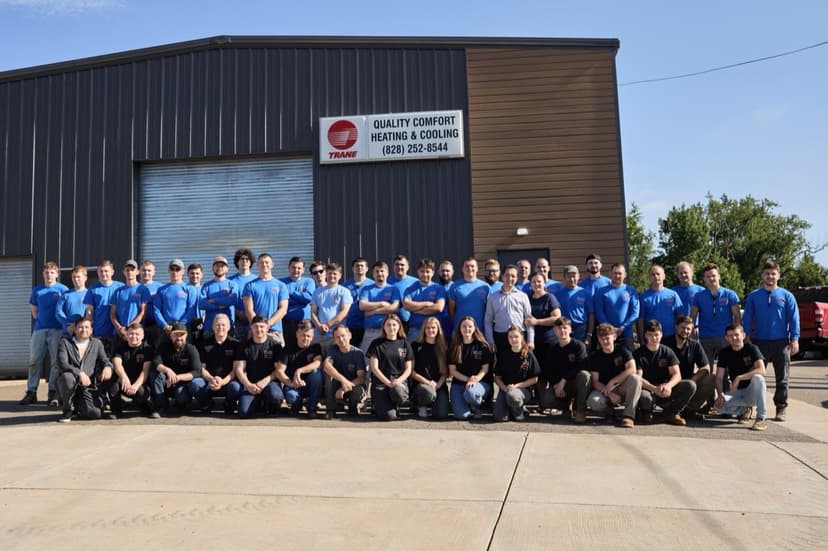
Serving Columbus
- 55 minutes south from our Asheville office
- Same-day appointments available
- 24/7 emergency response
- NATE-certified technicians
- Free estimates on installations
- Financing available, subject to credit approval
Neighborhoods We Serve
Downtown Columbus · Sunny View · Mill Spring · Green Creek · Cooper Gap
Need help now?
(828) 252-8544
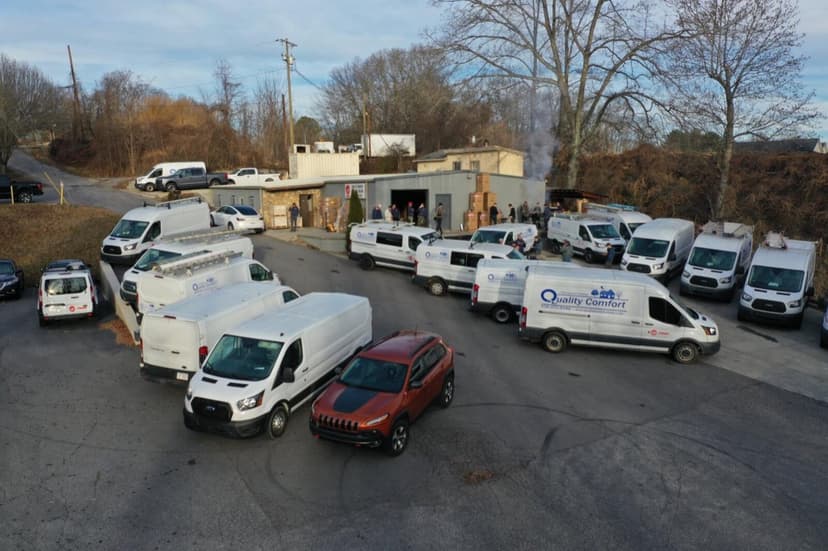

NATE-certified. Locally owned. Serving Western NC since 2005.
FAQ
Frequently Asked Questions About HVAC Permits in North Carolina — Requirements & Process in Columbus
Helpful Guides
Central Air Conditioner Guide
How central AC works, what it costs, and how to choose the right system for your home.
How Long Do AC Units Last?
AC unit lifespan, signs it's failing, and when replacement makes more sense than repair.
SEER Rating Explained
What is SEER2 and how does it affect your energy bills? Plain-English guide from Quality Comfort.
What Size AC Unit Do I Need?
How to determine the right AC size for your home — and why getting it wrong costs you.
Need HVAC Permits in North Carolina — Requirements & Process in Columbus?
Quality Comfort is 55 minutes south away. Call today for fast, professional service.