

Carbon Monoxide & HVAC — Safety Guide for WNC Homes in Black Mountain, NC
Carbon monoxide is a silent killer — learn how your HVAC system can be a source and how to protect your family. Proudly serving Black Mountain & Buncombe County.
Professional Carbon Monoxide & HVAC — Safety Guide for WNC Homes in Black Mountain, NC
When you need carbon monoxide & hvac — safety guide for wnc homes in Black Mountain, NC, Quality Comfort Heating & Cooling is just 15 minutes east from our Asheville headquarters — meaning fast response times and reliable service. We've been the NATE-certified team that Black Mountain area residents trust since 2005.
Just east of Asheville along I-40, Black Mountain is one of our closest service areas. We provide heating, cooling, and fireplace services to homes and businesses throughout this charming mountain town. Many Black Mountain residents choose Quality Comfort for our fast response times and hometown reliability.
When it comes to cooling in Black Mountain, the local conditions matter. Black Mountain sits in the Swannanoa Valley where cold air drainage from surrounding ridges can create temperature inversions — meaning mornings can be 10–15°F colder than Asheville even though they're close by. Montreat's heavily wooded lots shade homes year-round, reducing cooling needs but increasing heating demand and contributing to moisture problems that affect HVAC longevity. Our AC technicians understand these Black Mountain-specific factors and size every repair and recommendation accordingly.
The Invisible Danger in Your Home
Carbon monoxide (CO) is produced by the incomplete combustion of natural gas, propane, or oil — all fuels used by furnaces, boilers, and water heaters in WNC homes. CO is colorless and odorless, making it impossible to detect without a CO alarm. At low levels, it causes headaches and fatigue that are often mistaken for the flu. At high levels, it causes confusion, loss of consciousness, and death. Your HVAC system is one of the most common potential sources of carbon monoxide in your home.
How Your HVAC System Can Produce CO
A properly functioning furnace or boiler produces CO during combustion, but it's safely vented outside through the flue pipe. Problems arise when: the heat exchanger cracks, allowing CO to mix with circulated air; the flue pipe becomes blocked or disconnected; combustion is incomplete due to burner problems; or the draft system fails. Regular furnace maintenance includes specific CO safety checks — combustion analysis, heat exchanger inspection, and flue integrity testing — that catch these issues before they become dangerous.
Protecting Your Family
Install CO alarms on every level of your home and near bedrooms — this is both a life-saving measure and a North Carolina building code requirement for homes with fuel-burning appliances. Test alarms monthly and replace batteries annually. Schedule annual heating maintenance that includes CO safety testing. If your CO alarm sounds, evacuate immediately, call 911, and then call Quality Comfort to inspect and repair your heating system before restarting it.
HVAC Challenges in Black Mountain
Black Mountain sits in the Swannanoa Valley where cold air drainage from surrounding ridges can create temperature inversions — meaning mornings can be 10–15°F colder than Asheville even though they're close by. Montreat's heavily wooded lots shade homes year-round, reducing cooling needs but increasing heating demand and contributing to moisture problems that affect HVAC longevity.
Seasonal Tip for Black Mountain Homeowners
The Swannanoa Valley's cold air pooling means Black Mountain frost dates run later into spring than Asheville's. Keep your heat pump in heating mode through mid-April, and consider a dual-fuel system if you're replacing an older unit — it handles the valley's wide temperature swings more efficiently.
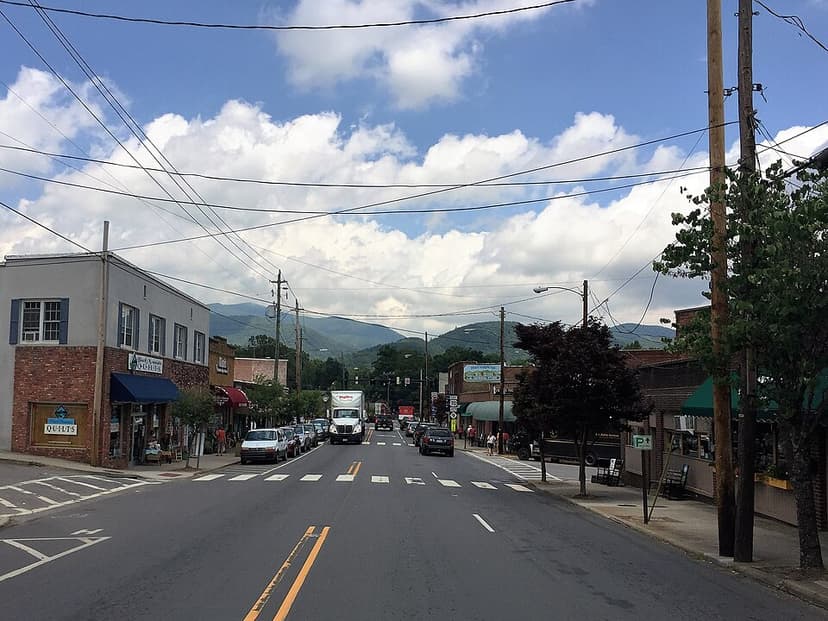
Serving Black Mountain & Buncombe County
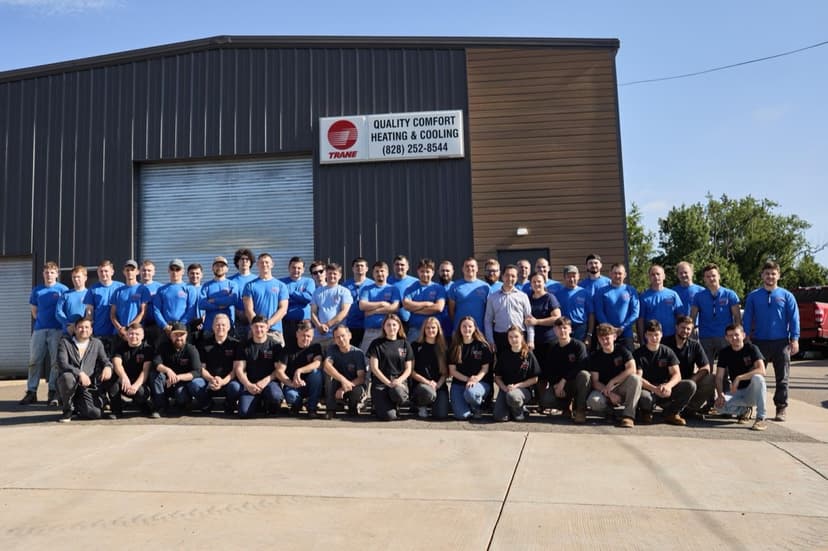
Serving Black Mountain
- 15 minutes east from our Asheville office
- Same-day appointments available
- 24/7 emergency response
- NATE-certified technicians
- Free estimates on installations
- Financing available, subject to credit approval
Neighborhoods We Serve
Downtown Black Mountain · Montreat · Swannanoa Valley · Ridgecrest · Old Fort Road
Need help now?
(828) 252-8544
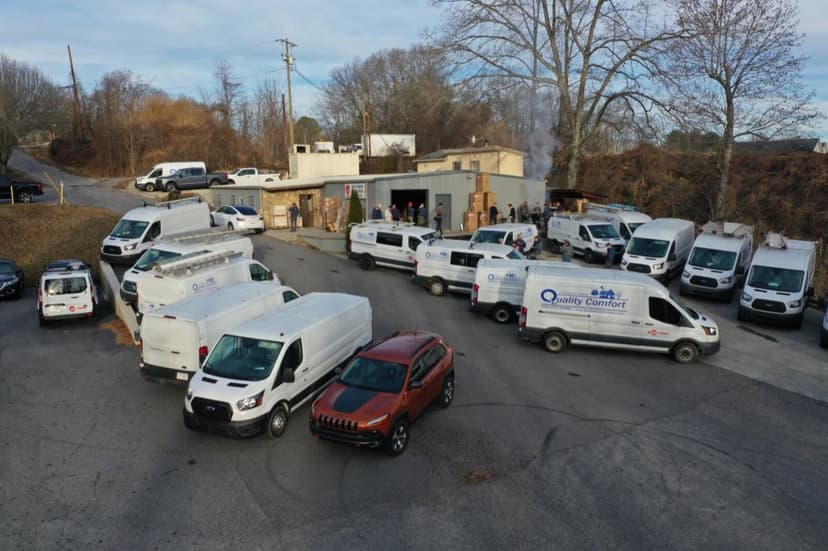
NATE-certified. Locally owned. Serving Western NC since 2005.
FAQ
Frequently Asked Questions About Carbon Monoxide & HVAC — Safety Guide for WNC Homes in Black Mountain
Helpful Guides
Central Air Conditioner Guide
How central AC works, what it costs, and how to choose the right system for your home.
How Long Do AC Units Last?
AC unit lifespan, signs it's failing, and when replacement makes more sense than repair.
SEER Rating Explained
What is SEER2 and how does it affect your energy bills? Plain-English guide from Quality Comfort.
What Size AC Unit Do I Need?
How to determine the right AC size for your home — and why getting it wrong costs you.
Need Carbon Monoxide & HVAC — Safety Guide for WNC Homes in Black Mountain?
Quality Comfort is 15 minutes east away. Call today for fast, professional service.