


Carbon Monoxide & HVAC — Safety Guide for WNC Homes
Carbon monoxide is a silent killer — learn how your HVAC system can be a source and how to protect your family.
Professional Carbon Monoxide & HVAC — Safety Guide for WNC Homes in Asheville & Western NC
The Invisible Danger in Your Home
Carbon monoxide (CO) is produced by the incomplete combustion of natural gas, propane, or oil — all fuels used by furnaces, boilers, and water heaters in WNC homes. CO is colorless and odorless, making it impossible to detect without a CO alarm. At low levels, it causes headaches and fatigue that are often mistaken for the flu. At high levels, it causes confusion, loss of consciousness, and death. Your HVAC system is one of the most common potential sources of carbon monoxide in your home.
How Your HVAC System Can Produce CO
A properly functioning furnace or boiler produces CO during combustion, but it's safely vented outside through the flue pipe. Problems arise when: the heat exchanger cracks, allowing CO to mix with circulated air; the flue pipe becomes blocked or disconnected; combustion is incomplete due to burner problems; or the draft system fails. Regular furnace maintenance includes specific CO safety checks — combustion analysis, heat exchanger inspection, and flue integrity testing — that catch these issues before they become dangerous.
Protecting Your Family
Install CO alarms on every level of your home and near bedrooms — this is both a life-saving measure and a North Carolina building code requirement for homes with fuel-burning appliances. Test alarms monthly and replace batteries annually. Schedule annual heating maintenance that includes CO safety testing. If your CO alarm sounds, evacuate immediately, call 911, and then call Quality Comfort to inspect and repair your heating system before restarting it.
Why Choose Us
4.8
Star Rating
213+
Reviews
20+
Years
35+
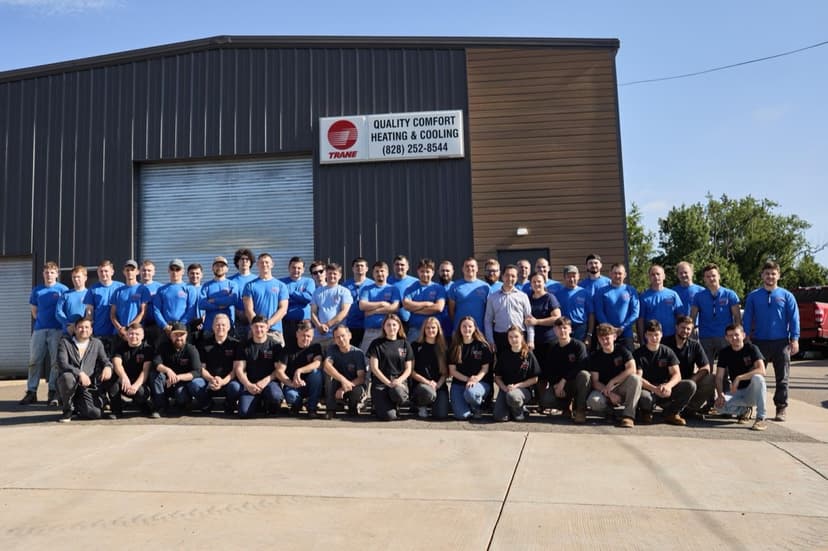
Team Members
- NATE-certified technicians
- NC Licensed & Insured
- 24/7 emergency service
- Upfront, honest pricing
- All major brands serviced
- Financing available, with approved credit
Need help now?
(828) 252-8544
NATE-certified. Locally owned. Serving Western NC since 2005.
FAQ
Frequently Asked Questions About Carbon Monoxide & HVAC — Safety Guide for WNC Homes
Helpful Guides
Central Air Conditioner Guide
How central AC works, what it costs, and how to choose the right system for your home.
How Long Do AC Units Last?
AC unit lifespan, signs it's failing, and when replacement makes more sense than repair.
SEER Rating Explained
What is SEER2 and how does it affect your energy bills? Plain-English guide from Quality Comfort.
What Size AC Unit Do I Need?
How to determine the right AC size for your home — and why getting it wrong costs you.
Carbon Monoxide & HVAC — Safety Guide for WNC Homes Across Western North Carolina
Quality Comfort provides carbon monoxide & hvac — safety guide for wnc homes services throughout Western NC. Our NATE-certified technicians serve homeowners and businesses in all of these communities from our Asheville headquarters.
Carbon Monoxide & HVAC — Safety Guide for WNC Homes? We Can Help.
Get fast, professional service from our NATE-certified team. Call today or request a free quote.