



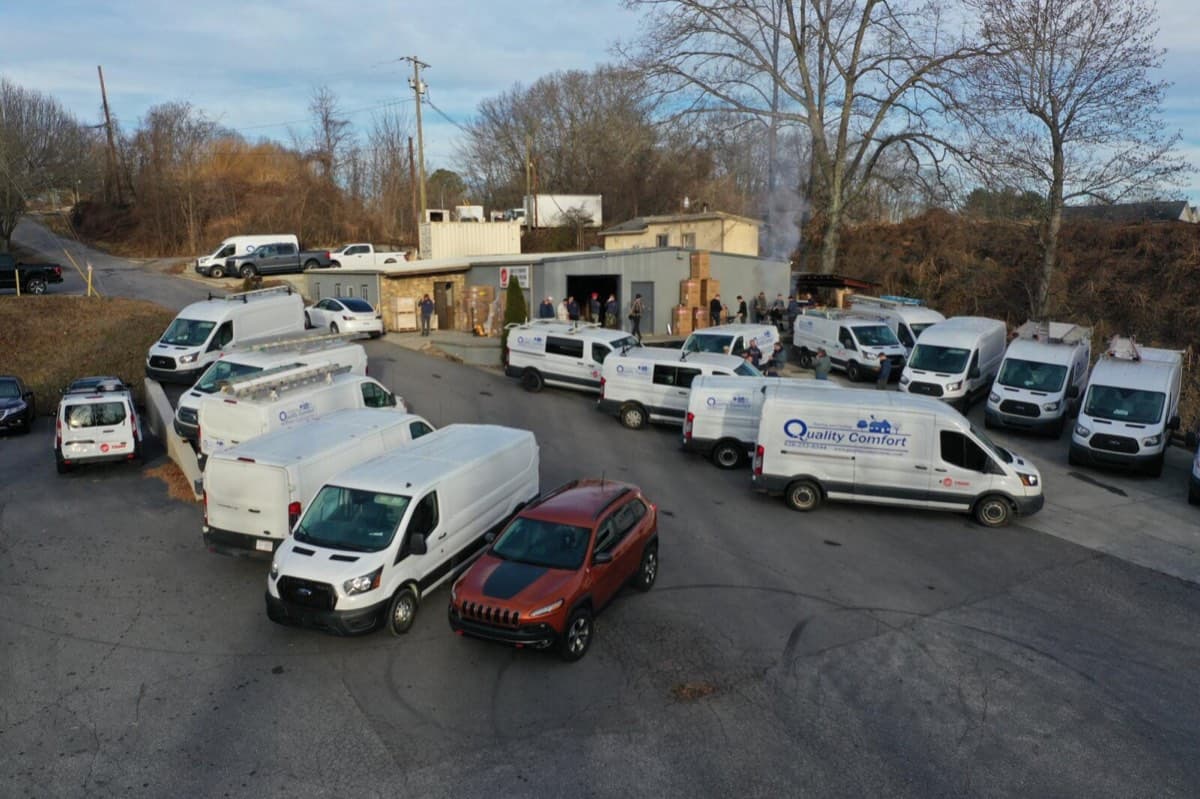
Cold Climate Heat Pumps for WNC Mountains in Columbus, NC
Cold climate heat pumps are built for WNC winters — efficient heating down to -15°F without backup strips. Proudly serving Columbus & Polk County.
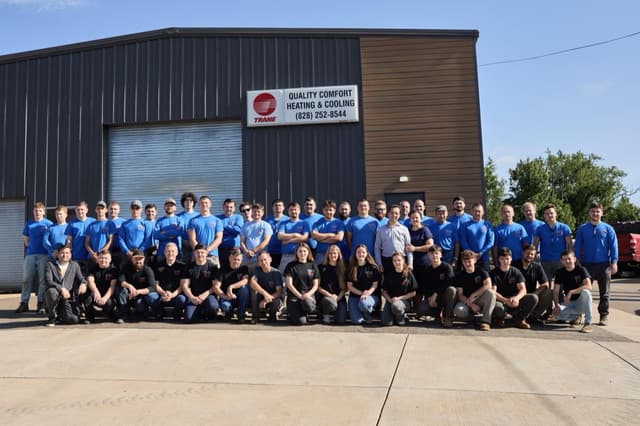
Professional Cold Climate Heat Pumps for WNC Mountains in Columbus, NC
When you need cold climate heat pumps for wnc mountains in Columbus, NC, Quality Comfort Heating & Cooling is just 55 minutes south from our Asheville headquarters — meaning fast response times and reliable service. We've been the NATE-certified team that Columbus area residents trust since 2005.
Quality Comfort serves Columbus and Polk County with professional heating and cooling services. From the county seat's established neighborhoods to rural properties throughout the area, we provide expert HVAC installation, repair, and maintenance designed for the foothills climate where summer cooling demands are higher than the surrounding mountains.
Heating in Columbus comes with unique demands. At 1,140 feet elevation, winters are moderate but still require a reliable heating system. As the Polk County seat, Columbus sits at the transition between the Blue Ridge foothills and the mountain uplands. Like nearby Tryon, the thermal belt effect keeps winters milder than communities at similar elevations farther north. However, summer heat and humidity are more intense here, making proper AC sizing and dehumidification critical. Many rural Columbus-area homes rely on propane or electric heating since natural gas service is limited outside the town center. Our heating technicians factor in these Columbus-specific conditions for every repair and installation.
Heat Pumps Built for Mountain Winters
Standard heat pumps lose efficiency as temperatures drop, often struggling to keep up once the mercury falls below 25 to 30 degrees. In Asheville and the Western North Carolina mountains — where winter lows routinely reach the single digits and teens — this limitation has historically meant heavy reliance on expensive auxiliary heat strips. Cold climate heat pumps change that equation entirely. Using advanced inverter-driven compressor technology and enhanced vapor injection, these systems maintain strong heating output down to -15 degrees Fahrenheit, drastically reducing or eliminating the need for backup electric heat.
How Cold Climate Technology Works
Cold climate heat pumps use variable-speed inverter compressors that can ramp up to very high speeds when maximum heating is needed, combined with enhanced vapor injection (EVI) that boosts refrigerant pressure and temperature even when outdoor air is extremely cold. The result is a system that produces 70 to 80 percent of its rated heating capacity at 5 degrees Fahrenheit — where a standard heat pump might produce only 40 to 50 percent. Brands like Mitsubishi Hyper-Heating, Daikin Fit, and Carrier Greenspeed lead this category.
Perfect for Western North Carolina
WNC sits in a unique climate zone — cold enough to challenge standard heat pumps but rarely cold enough to justify a gas furnace as the primary heat source. Cold climate heat pumps are arguably the ideal heating solution for this region. They provide efficient heating through our typical winter temperatures, offer air conditioning in summer, and many qualify for North Carolina's Energy Saver NC rebates (up to $8,000 for a qualifying heat pump, income-qualified) and utility rebates. For homes without natural gas access — common in rural WNC — they eliminate the need for propane entirely.
Quality Comfort Is Your Cold Climate Expert
We've installed cold climate heat pumps across Buncombe, Henderson, Haywood, Transylvania, and Madison counties — in homes at every elevation from the French Broad valley to 4,000+ feet. We know which brands and configurations perform best in our specific conditions, and we size every system using Manual J calculations tuned for mountain climate data. Call us for a free estimate and see how a cold climate heat pump can transform your comfort and your energy bills.
HVAC Challenges in Columbus
As the Polk County seat, Columbus sits at the transition between the Blue Ridge foothills and the mountain uplands. Like nearby Tryon, the thermal belt effect keeps winters milder than communities at similar elevations farther north. However, summer heat and humidity are more intense here, making proper AC sizing and dehumidification critical. Many rural Columbus-area homes rely on propane or electric heating since natural gas service is limited outside the town center.
Seasonal Tip for Columbus Homeowners
Columbus homeowners with propane furnaces should lock in propane prices early in summer when rates are lowest. Schedule your furnace inspection at the same time as a propane delivery in September — catching issues early saves both emergency repair costs and fuel waste from an inefficient system.

Serving Columbus & Polk County
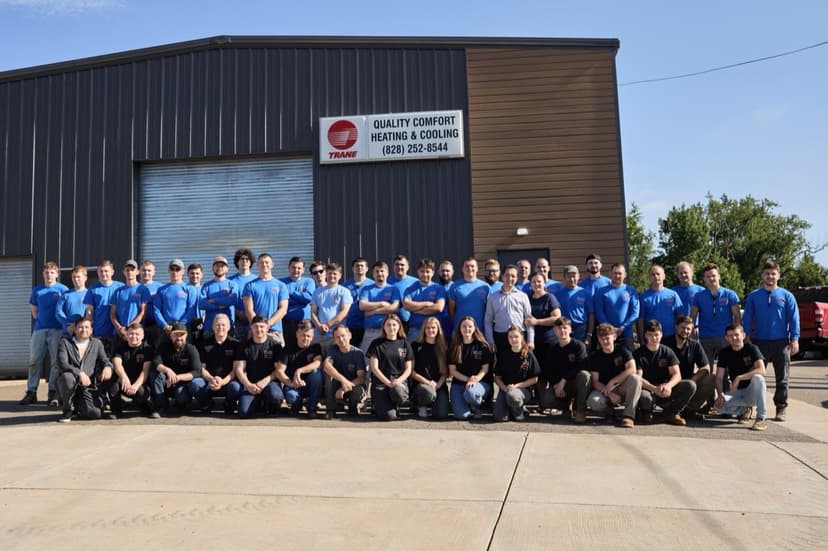
Serving Columbus
- 55 minutes south from our Asheville office
- Same-day appointments available
- 24/7 emergency response
- NATE-certified technicians
- Free estimates on installations
- Financing available, subject to credit approval
Neighborhoods We Serve
Downtown Columbus · Sunny View · Mill Spring · Green Creek · Cooper Gap
Need help now?
(828) 252-8544
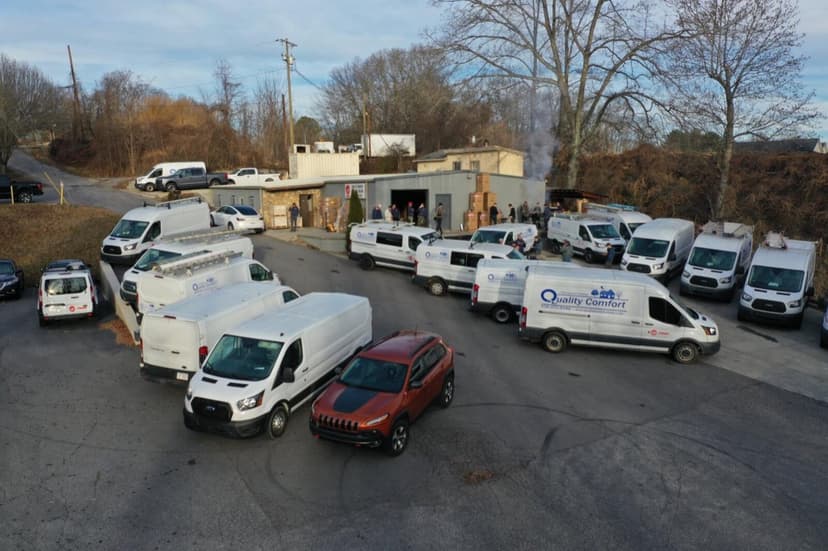

NATE-certified. Locally owned. Serving Western NC since 2005.
FAQ
Frequently Asked Questions About Cold Climate Heat Pumps for WNC Mountains in Columbus
Helpful Guides
Heat Pump System Guide
How heat pumps work, costs, efficiency, and whether one is right for your WNC home.
How Long Do Heat Pumps Last?
Heat pump lifespan, maintenance tips, and when to plan for replacement.
Heat Pump Efficiency Guide
How heat pump efficiency works, what affects it, and how to maximize savings.
AC vs Heat Pump: Which System Should You Choose?
Central AC vs heat pump — costs, efficiency, and which is better for WNC homes.
Need Cold Climate Heat Pumps for WNC Mountains in Columbus?
Quality Comfort is 55 minutes south away. Call today for fast, professional service.