


Gas vs Electric Furnace in Sylva, NC
Gas furnace or electric furnace for your WNC home? Compare costs, efficiency, safety, and performance. Proudly serving Sylva & Jackson County.
Professional Gas vs Electric Furnace in Sylva, NC
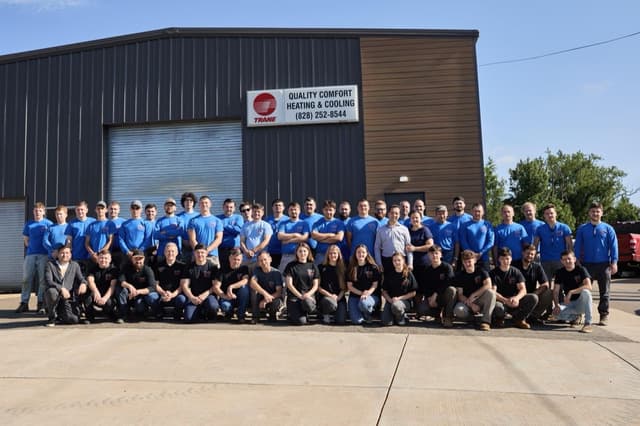
When you need gas vs electric furnace in Sylva, NC, Quality Comfort Heating & Cooling is just 50 minutes west from our Asheville headquarters — meaning fast response times and reliable service. We've been the NATE-certified team that Sylva area residents trust since 2005.
Sylva and Jackson County residents trust Quality Comfort for reliable HVAC service in the western mountains. We provide furnace repair, heat pump installation, AC service, and more to Sylva homeowners and businesses. Our team makes regular trips to the area for both scheduled and emergency service.
When it comes to cooling in Sylva, the local conditions matter. Sylva's position in the Tuckasegee River valley creates cold air drainage patterns similar to Black Mountain. The large student and rental population near Western Carolina University in Cullowhee means many HVAC systems are heavily used but inconsistently maintained. Dillsboro's historic homes along the river face both flooding risk for ground-level equipment and higher humidity than surrounding hillside properties. Our AC technicians understand these Sylva-specific factors and size every repair and recommendation accordingly.
Two Fundamentally Different Heating Approaches
Gas furnaces burn natural gas or propane to create heat, passing combustion gases through a heat exchanger while a blower circulates warm air through your ductwork. Electric furnaces use resistance heating elements — essentially large toasters — to warm the air. Both get your home warm, but the similarities end there. For Asheville and Western North Carolina homeowners choosing between the two, the decision comes down to fuel availability, operating costs, installation requirements, and long-term value.
Cost and Efficiency Comparison
Gas furnaces are significantly cheaper to operate in WNC because natural gas and propane cost less per BTU than electricity. A high-efficiency gas furnace (95–98% AFUE) delivers roughly the same warmth as an electric furnace for 40–60% less in monthly heating costs. Electric furnaces are technically 100% efficient (all electricity becomes heat), but electricity is simply a more expensive fuel source. However, electric furnaces cost less to purchase and install because they don't require gas lines, venting, or combustion air — making them appealing for homes without existing gas infrastructure.
Safety, Lifespan, and the Heat Pump Alternative
Gas furnaces introduce carbon monoxide risk and require proper venting, annual safety inspections, and CO detectors. Electric furnaces have no combustion, no CO risk, and no flue — they're inherently simpler and safer. Electric furnaces also tend to last longer (20–30 years vs. 15–25 for gas) because they have fewer mechanical components. That said, if you're considering electric heating, a heat pump is almost always a better choice than an electric furnace — it provides the same electric-powered, combustion-free heating at 2–3 times the efficiency. Quality Comfort can help you evaluate all three options for your WNC home.
HVAC Challenges in Sylva
Sylva's position in the Tuckasegee River valley creates cold air drainage patterns similar to Black Mountain. The large student and rental population near Western Carolina University in Cullowhee means many HVAC systems are heavily used but inconsistently maintained. Dillsboro's historic homes along the river face both flooding risk for ground-level equipment and higher humidity than surrounding hillside properties.
Seasonal Tip for Sylva Homeowners
Sylva-area homeowners near the Tuckasegee River should ensure outdoor HVAC equipment is elevated on platforms or wall-mounted to protect against flood risk. We also recommend UV air purifiers for riverside properties where higher humidity can promote mold growth in ductwork.
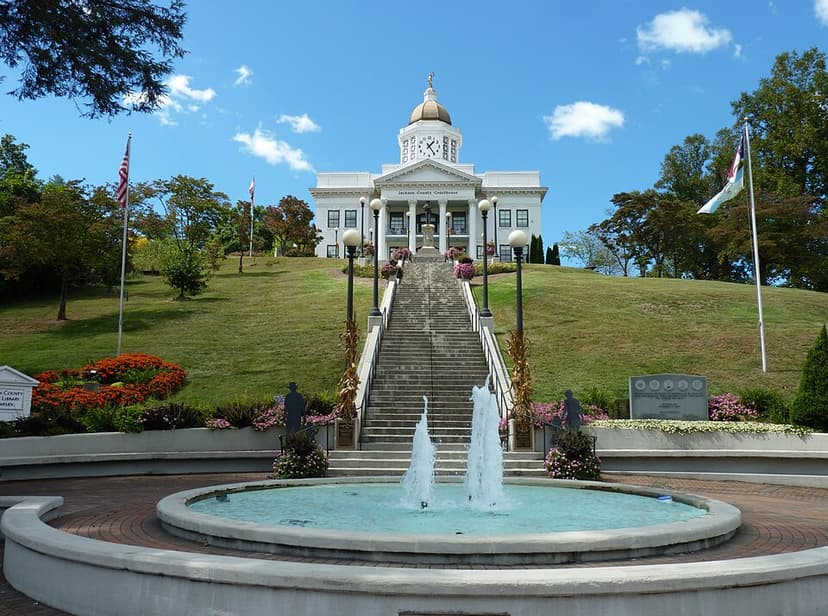
Serving Sylva & Jackson County
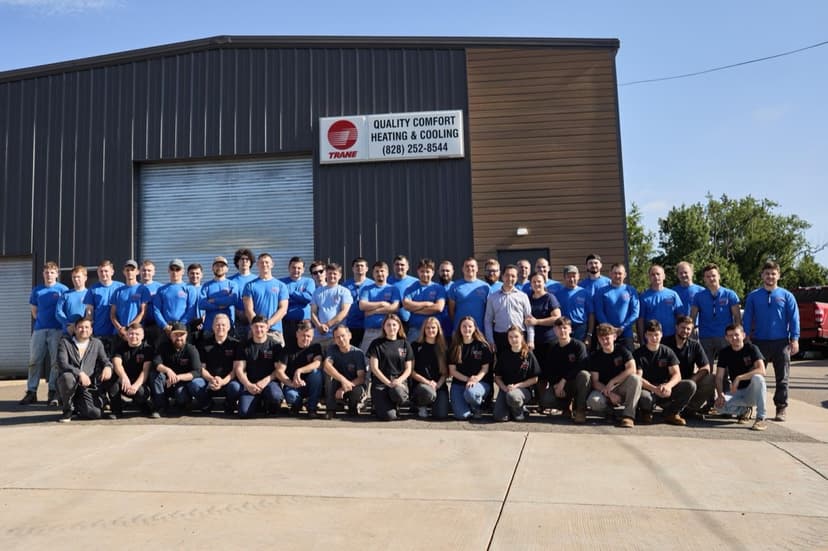
Serving Sylva
- 50 minutes west from our Asheville office
- Same-day appointments available
- 24/7 emergency response
- NATE-certified technicians
- Free estimates on installations
- Financing available, subject to credit approval
Neighborhoods We Serve
Downtown Sylva · Dillsboro · Cullowhee · Balsam · Webster
Need help now?
(828) 252-8544
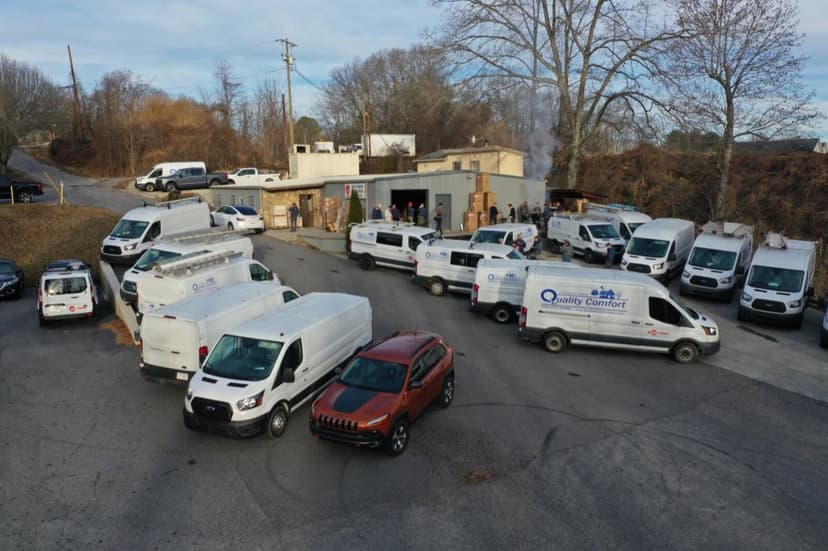
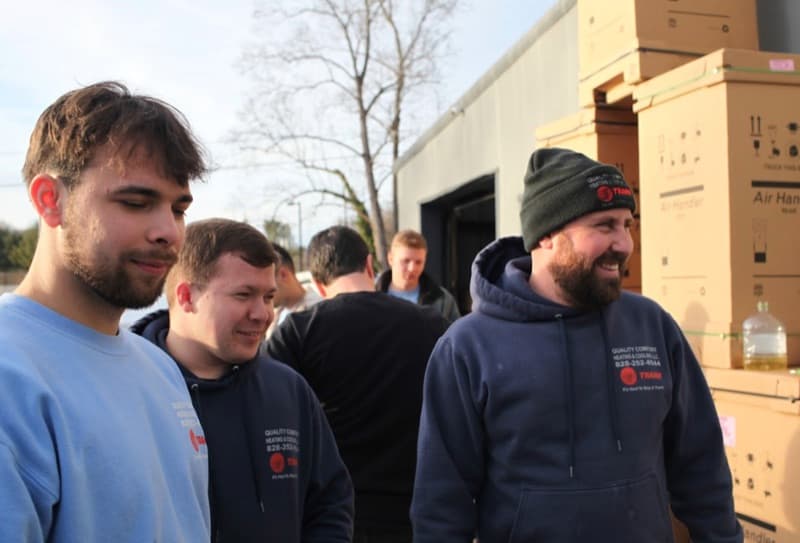
NATE-certified. Locally owned. Serving Western NC since 2005.
FAQ
Frequently Asked Questions About Gas vs Electric Furnace in Sylva
Related Services
Helpful Guides
Central Air Conditioner Guide
How central AC works, what it costs, and how to choose the right system for your home.
How Long Do AC Units Last?
AC unit lifespan, signs it's failing, and when replacement makes more sense than repair.
SEER Rating Explained
What is SEER2 and how does it affect your energy bills? Plain-English guide from Quality Comfort.
What Size AC Unit Do I Need?
How to determine the right AC size for your home — and why getting it wrong costs you.
Need Gas vs Electric Furnace in Sylva?
Quality Comfort is 50 minutes west away. Call today for fast, professional service.