



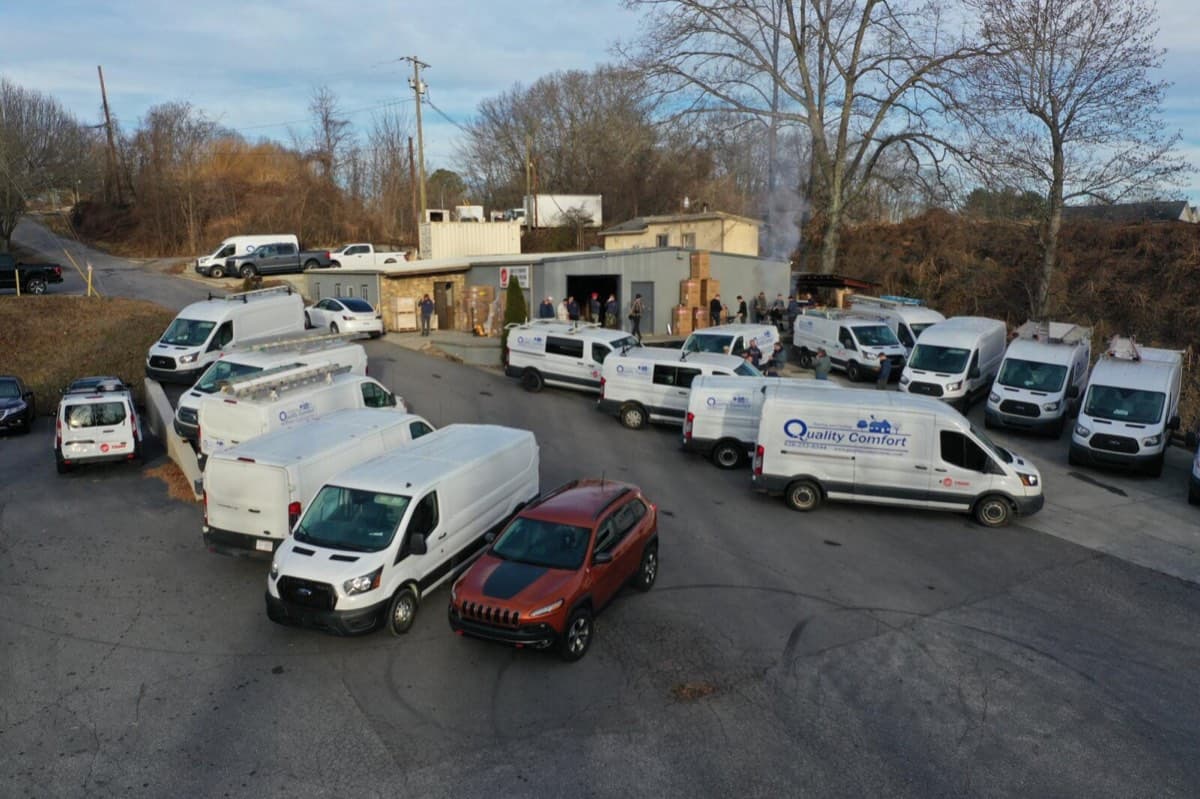
Heat Pump Defrost Cycle Explained in Franklin, NC
Steam rising from your heat pump in winter? That's the defrost cycle — here's how it works and when something's wrong. Proudly serving Franklin & Macon County.
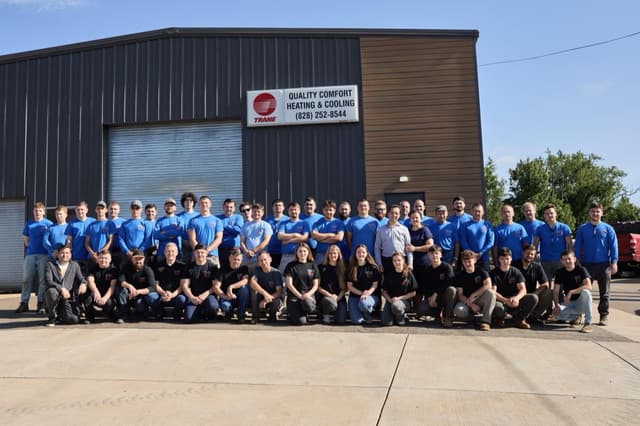
Professional Heat Pump Defrost Cycle Explained in Franklin, NC
When you need heat pump defrost cycle explained in Franklin, NC, Quality Comfort Heating & Cooling is just 1 hour west from our Asheville headquarters — meaning fast response times and reliable service. We've been the NATE-certified team that Franklin area residents trust since 2005.
Quality Comfort extends our professional HVAC services west to Franklin and Macon County. Whether you need a new heat pump for your mountain home, emergency furnace repair, or routine AC maintenance, our team makes regular service trips to serve Franklin residents with the same reliability and expertise we deliver in Asheville.
Heating in Franklin comes with unique demands. At 2,113 feet elevation, winters are moderate but still require a reliable heating system. Franklin's location in the Little Tennessee River valley creates a moderate mountain climate, but the distance from major service centers means many homes go longer between HVAC maintenance visits. Macon County's mix of year-round residents and seasonal mountain homeowners creates varied demands — some systems sit idle for months, then must perform immediately. Natural gas availability is limited outside the town core, making propane and heat pump expertise essential. Our heating technicians factor in these Franklin-specific conditions for every repair and installation.
What Is the Heat Pump Defrost Cycle?
If you own a heat pump in Asheville or Western North Carolina, you've probably seen it: on a cold winter morning, your outdoor unit suddenly starts blowing steam, the fan stops, and the system seems to switch into cooling mode briefly. This is the defrost cycle, and it's completely normal. During heating mode, your heat pump extracts warmth from outdoor air by running extremely cold refrigerant through the outdoor coil. When outdoor temperatures drop below about 40 degrees and humidity is present, frost naturally builds up on the coil — and that frost must be melted periodically to maintain heating efficiency.
How Defrost Works
When the control board detects frost buildup (through temperature sensors or a timer), it temporarily reverses the refrigerant flow — essentially running the system in cooling mode for a few minutes to send hot refrigerant through the outdoor coil and melt the ice. During this time, the outdoor fan shuts off to prevent blowing cold air over the coil (which would defeat the purpose), and your system activates auxiliary heat strips or backup heating to prevent cold air from blowing into your home. A normal defrost cycle lasts 2 to 10 minutes and occurs a few times per day in cold weather.
When Defrost Becomes a Problem
If your heat pump defrosts too frequently (every 30 minutes or more), stays in defrost for extended periods, or fails to defrost at all (leaving the outdoor coil covered in thick ice), something is wrong. Common causes include a faulty defrost control board, a stuck reversing valve, a bad defrost thermostat or sensor, low refrigerant charge, or a failed outdoor fan motor. A heat pump caked in ice is losing efficiency rapidly and stressing the compressor.
Quality Comfort Knows Heat Pumps
Heat pumps are the primary heating system for thousands of WNC homes, and understanding the defrost cycle is essential to proper heat pump repair. Our technicians diagnose defrost issues by testing the control board, sensors, reversing valve, and refrigerant charge — not by guessing. If your heat pump seems to be icing up too much or not defrosting properly, call us before the problem causes compressor damage.
HVAC Challenges in Franklin
Franklin's location in the Little Tennessee River valley creates a moderate mountain climate, but the distance from major service centers means many homes go longer between HVAC maintenance visits. Macon County's mix of year-round residents and seasonal mountain homeowners creates varied demands — some systems sit idle for months, then must perform immediately. Natural gas availability is limited outside the town core, making propane and heat pump expertise essential.
Seasonal Tip for Franklin Homeowners
Franklin homeowners with seasonal properties should install smart thermostats with freeze protection alerts. Set a minimum temperature of 55°F when away, and schedule pre-season HVAC checks before you return for the season to avoid unpleasant surprises with a system that's been dormant.

Serving Franklin & Macon County
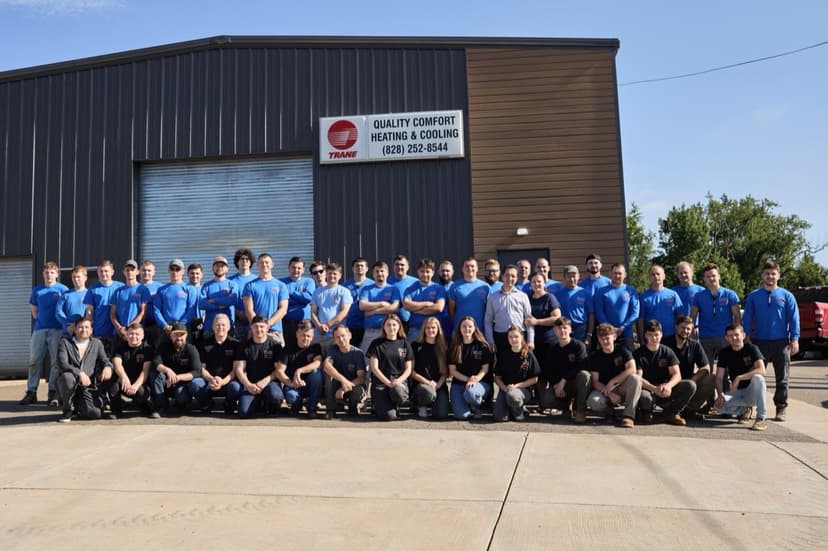
Serving Franklin
- 1 hour west from our Asheville office
- Same-day appointments available
- 24/7 emergency response
- NATE-certified technicians
- Free estimates on installations
- Financing available, subject to credit approval
Neighborhoods We Serve
Downtown Franklin · Iotla · Cartoogechaye · Cowee Valley · Holly Springs · Franklin Plaza area
Need help now?
(828) 252-8544

NATE-certified. Locally owned. Serving Western NC since 2005.
FAQ
Frequently Asked Questions About Heat Pump Defrost Cycle Explained in Franklin
Helpful Guides
Heat Pump System Guide
How heat pumps work, costs, efficiency, and whether one is right for your WNC home.
How Long Do Heat Pumps Last?
Heat pump lifespan, maintenance tips, and when to plan for replacement.
Heat Pump Efficiency Guide
How heat pump efficiency works, what affects it, and how to maximize savings.
AC vs Heat Pump: Which System Should You Choose?
Central AC vs heat pump — costs, efficiency, and which is better for WNC homes.
Need Heat Pump Defrost Cycle Explained in Franklin?
Quality Comfort is 1 hour west away. Call today for fast, professional service.