


HVAC Inspection — What's Checked & Why It Matters in Asheville, NC
What happens during an HVAC inspection, what inspectors look for, and why regular inspections protect your home and family. Proudly serving Asheville & Buncombe County.
Professional HVAC Inspection — What's Checked & Why It Matters in Asheville, NC
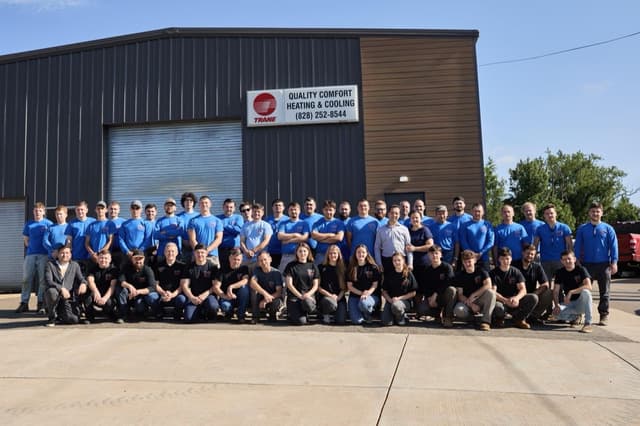
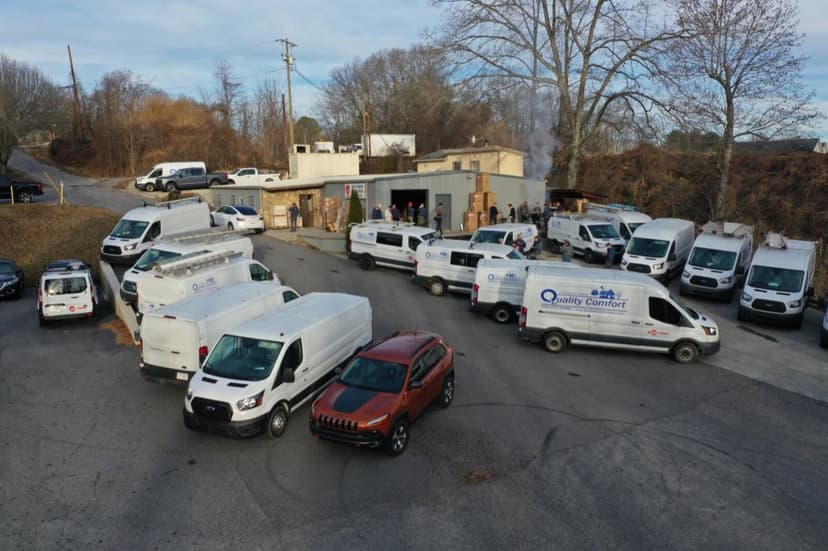
Based right here in Asheville, Quality Comfort Heating & Cooling is your neighborhood HVAC team for hvac inspection — what's checked & why it matters. We've been the NATE-certified team that Asheville area residents trust since 2005.
As our home base since 2005, Quality Comfort Heating & Cooling has proudly served Asheville homeowners and businesses with reliable HVAC services. From the historic homes in Montford to new construction in South Asheville, we know the unique heating and cooling needs of every Asheville neighborhood. Our office on Emma Road means fast response times anywhere in the city.
When it comes to cooling in Asheville, the local conditions matter. Asheville's mix of historic homes in Montford and North Asheville — many built before central HVAC existed — creates unique retrofit challenges. These older homes often have limited ductwork space, uneven heating across floors, and single-pane windows that strain heating systems. Meanwhile, newer South Asheville construction demands properly sized high-efficiency systems to handle the area's 4,400+ heating degree days per year. Our AC technicians understand these Asheville-specific factors and size every repair and recommendation accordingly.
Types of HVAC Inspections
There are three main types of HVAC inspections relevant to WNC homeowners: Code inspections (performed by building inspectors after new installation or replacement to verify code compliance). Home sale inspections (performed by home inspectors during a real estate transaction). Maintenance inspections (performed by your HVAC technician during a tune-up to assess system health). Each has a different scope and purpose, but all contribute to safety and performance.
What a Code Inspection Covers
A building inspector evaluating new HVAC work checks: proper equipment sizing documentation, manufacturer-specified installation clearances, code-compliant venting (for gas furnaces and water heaters), condensate drain routing and safety devices, electrical connections and disconnect placement, gas piping pressure test (if applicable), ductwork support and sealing, and accessibility for future service. This inspection ensures the installed system meets North Carolina mechanical, fuel gas, and electrical codes.
What a Home Sale Inspection Covers
A general home inspector evaluates HVAC at a surface level: verifying the system operates in both heating and cooling modes, checking the filter and general condition, noting visible issues, and estimating the system's age and approximate remaining life. A general home inspection does NOT include in-depth diagnostics like refrigerant pressure testing, combustion analysis, or duct leakage testing. For a pre-sale or pre-purchase deep dive, request a specific HVAC inspection from a licensed HVAC contractor.
Why Annual HVAC Inspections Save Money
A maintenance inspection by a qualified technician is the most thorough and useful for homeowners. Our 20-point maintenance inspection includes everything a code inspector checks plus performance testing: refrigerant levels, electrical amp draws, temperature differentials, combustion efficiency, and safety testing. This level of inspection catches small problems — a weak capacitor, a dirty flame sensor, a slow refrigerant leak — before they cause a breakdown. Quality Comfort provides comprehensive HVAC inspections across all of Western NC.
HVAC Challenges in Asheville
Asheville's mix of historic homes in Montford and North Asheville — many built before central HVAC existed — creates unique retrofit challenges. These older homes often have limited ductwork space, uneven heating across floors, and single-pane windows that strain heating systems. Meanwhile, newer South Asheville construction demands properly sized high-efficiency systems to handle the area's 4,400+ heating degree days per year.
Seasonal Tip for Asheville Homeowners
Asheville's elevation means nighttime temperatures can drop into the 20s even in early spring. We recommend keeping your heating system serviced through April and scheduling AC maintenance by mid-May to prepare for the humidity that builds through summer.

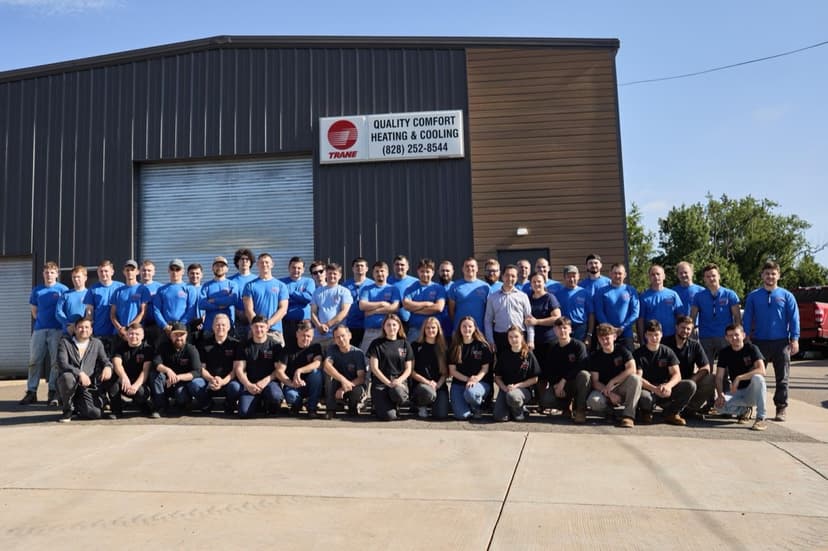
Serving Asheville & Buncombe County
Serving Asheville
- Based right here in Asheville
- Same-day appointments available
- 24/7 emergency response
- NATE-certified technicians
- Free estimates on installations
- Financing available, subject to credit approval
Neighborhoods We Serve
Montford · West Asheville · Biltmore Village · North Asheville · South Slope · Kenilworth · Grove Park
Need help now?
(828) 252-8544

NATE-certified. Locally owned. Serving Western NC since 2005.
FAQ
Frequently Asked Questions About HVAC Inspection — What's Checked & Why It Matters in Asheville
Helpful Guides
Central Air Conditioner Guide
How central AC works, what it costs, and how to choose the right system for your home.
How Long Do AC Units Last?
AC unit lifespan, signs it's failing, and when replacement makes more sense than repair.
SEER Rating Explained
What is SEER2 and how does it affect your energy bills? Plain-English guide from Quality Comfort.
What Size AC Unit Do I Need?
How to determine the right AC size for your home — and why getting it wrong costs you.
Need HVAC Inspection — What's Checked & Why It Matters in Asheville?
Quality Comfort is based right here in Asheville. Call today for fast, professional service.