



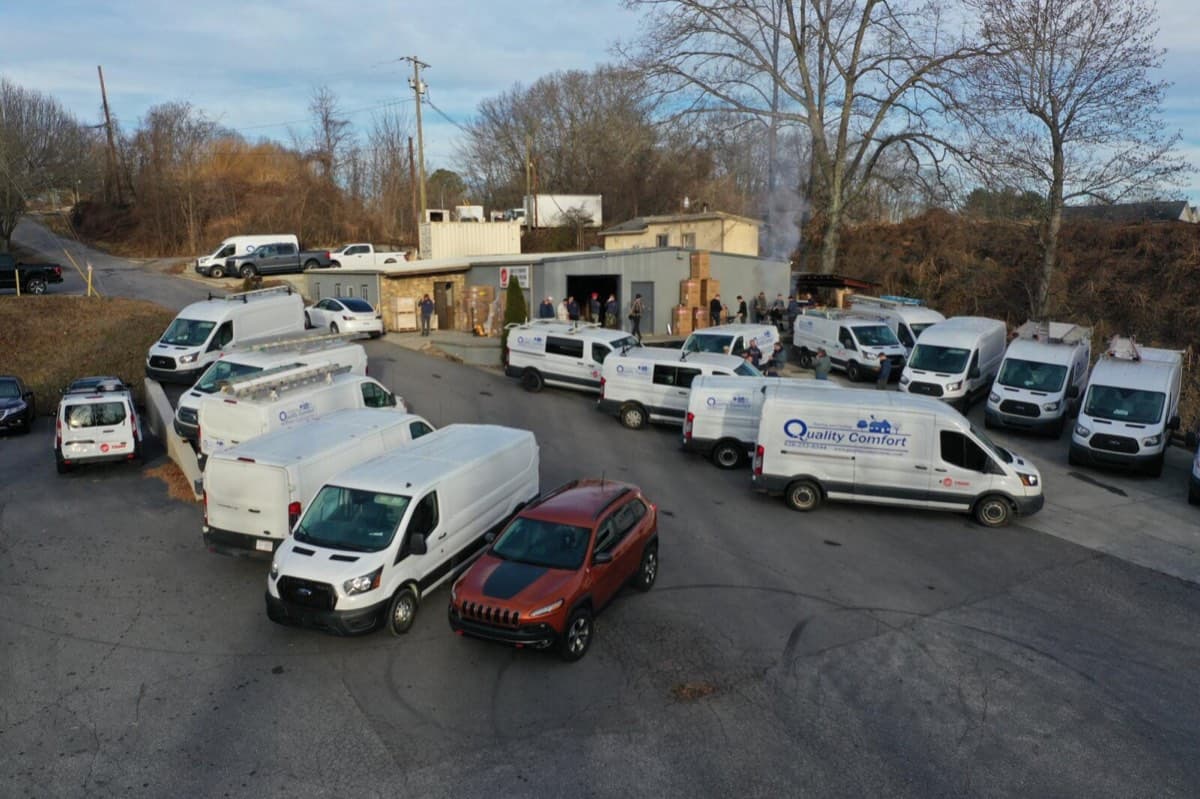
What Is a Heat Pump? — How It Works Simply Explained in Clyde, NC
Heat pumps explained in plain English — how they work, why they're efficient, and whether one makes sense for your WNC home. Proudly serving Clyde & Haywood County.
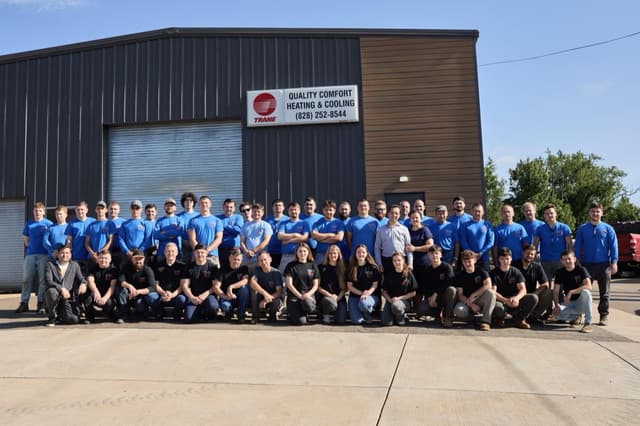
Professional What Is a Heat Pump? — How It Works Simply Explained in Clyde, NC
When you need what is a heat pump? — how it works simply explained in Clyde, NC, Quality Comfort Heating & Cooling is just 25 minutes west from our Asheville headquarters — meaning fast response times and reliable service. We've been the NATE-certified team that Clyde area residents trust since 2005.
Just minutes from Waynesville and Canton on I-40, Clyde is well within Quality Comfort's primary Haywood County service area. We provide full heating, cooling, and indoor air quality services to Clyde homeowners. Our technicians know the valley's unique climate challenges and can recommend the right system for your home.
Heating in Clyde comes with unique demands. At 2,612 feet elevation, winters are longer and colder than lower-elevation communities. Clyde's position in the Pigeon River valley between Canton and Waynesville means it shares the cold air drainage and moisture issues of both communities. Many homes here are older ranch-style builds from the 1960s–80s with original ductwork that has deteriorated over decades. The area's proximity to the river also creates higher humidity levels that strain HVAC dehumidification capacity, especially in crawl space homes common throughout Haywood County. Our heating technicians factor in these Clyde-specific conditions for every repair and installation.
A Heat Pump Is a Two-Way Air Conditioner
The simplest way to understand a heat pump: it's an air conditioner that can run in reverse. In summer, it moves heat from inside your home to the outside — exactly like a standard AC. In winter, it reverses the process, extracting heat from outdoor air and moving it inside. Yes, there's usable heat in cold outdoor air — even at 20°F, air contains significant thermal energy that a heat pump can capture.
How It Actually Works
A heat pump circulates refrigerant between an indoor coil and an outdoor coil. In cooling mode, the indoor coil absorbs heat (the refrigerant evaporates), and the outdoor coil releases it (the refrigerant condenses). In heating mode, the outdoor coil absorbs heat from the outside air, and the indoor coil releases it into your home. A reversing valve switches the direction of refrigerant flow between seasons. The magic of the system is that moving heat requires far less energy than creating heat — which is why heat pumps are 2–4 times more efficient than furnaces or electric heaters.
Why Heat Pumps Make Sense in Western NC
WNC's climate is ideal for heat pumps. Our winters are cold enough to need heating but mild enough (average January lows of 25–30°F in the valleys) that heat pumps operate efficiently for the vast majority of heating hours. Modern cold-climate heat pumps maintain performance down to 5°F, covering essentially all WNC winter conditions. The combination of efficient heating AND cooling from one system, plus North Carolina's Energy Saver NC rebates up to $8,000 for income-qualified households, makes heat pumps the fastest-growing HVAC choice in the region.
Types of Heat Pumps
Air-source heat pumps are the most common — they exchange heat with outdoor air. These come in central ducted versions (using your ductwork) and ductless mini-split versions. Ground-source (geothermal) heat pumps exchange heat with the earth through underground loops — extremely efficient but much more expensive to install. Quality Comfort installs both air-source and geothermal heat pump systems across Western NC.
HVAC Challenges in Clyde
Clyde's position in the Pigeon River valley between Canton and Waynesville means it shares the cold air drainage and moisture issues of both communities. Many homes here are older ranch-style builds from the 1960s–80s with original ductwork that has deteriorated over decades. The area's proximity to the river also creates higher humidity levels that strain HVAC dehumidification capacity, especially in crawl space homes common throughout Haywood County.
Seasonal Tip for Clyde Homeowners
Clyde's valley floor location makes it susceptible to the same morning fog and frost patterns as Canton. Schedule your fall furnace maintenance by early October and check your outdoor heat pump unit's defrost cycle before the first freeze — river valley moisture causes earlier and heavier icing than hillside locations.

Serving Clyde & Haywood County
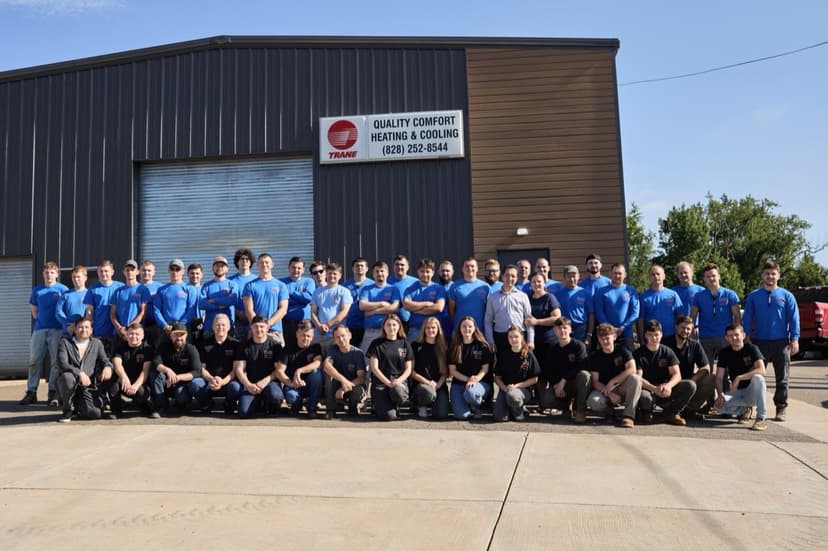
Serving Clyde
- 25 minutes west from our Asheville office
- Same-day appointments available
- 24/7 emergency response
- NATE-certified technicians
- Free estimates on installations
- Financing available, subject to credit approval
Neighborhoods We Serve
Downtown Clyde · Fines Creek · Crabtree · Lower Pigeon Valley · Clyde Elementary area
Need help now?
(828) 252-8544
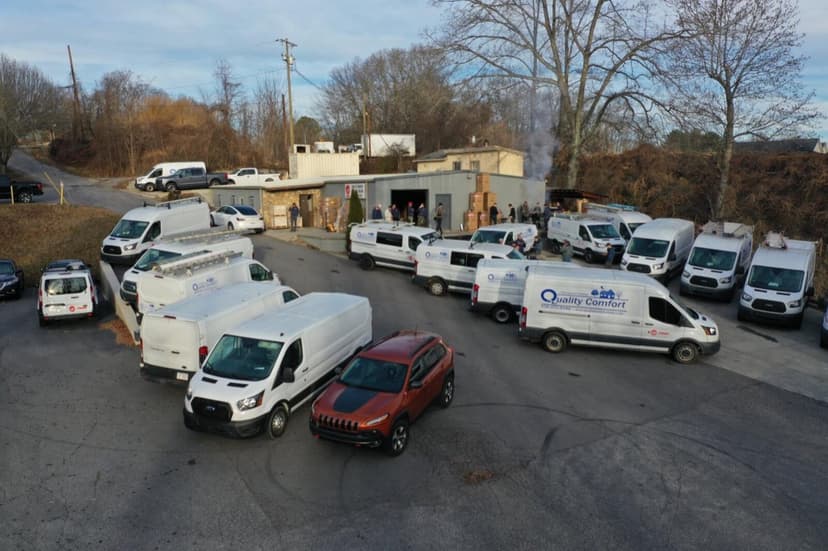

NATE-certified. Locally owned. Serving Western NC since 2005.
FAQ
Frequently Asked Questions About What Is a Heat Pump? — How It Works Simply Explained in Clyde
Related Services
Helpful Guides
Heat Pump System Guide
How heat pumps work, costs, efficiency, and whether one is right for your WNC home.
How Long Do Heat Pumps Last?
Heat pump lifespan, maintenance tips, and when to plan for replacement.
Heat Pump Efficiency Guide
How heat pump efficiency works, what affects it, and how to maximize savings.
AC vs Heat Pump: Which System Should You Choose?
Central AC vs heat pump — costs, efficiency, and which is better for WNC homes.
Need What Is a Heat Pump? — How It Works Simply Explained in Clyde?
Quality Comfort is 25 minutes west away. Call today for fast, professional service.