

What Is HVAC? — Heating, Ventilation & Air Conditioning in Columbus, NC
HVAC explained — what the acronym means, what your system includes, and why it matters for your WNC home's comfort. Proudly serving Columbus & Polk County.
Professional What Is HVAC? — Heating, Ventilation & Air Conditioning in Columbus, NC
When you need what is hvac? — heating, ventilation & air conditioning in Columbus, NC, Quality Comfort Heating & Cooling is just 55 minutes south from our Asheville headquarters — meaning fast response times and reliable service. We've been the NATE-certified team that Columbus area residents trust since 2005.
Quality Comfort serves Columbus and Polk County with professional heating and cooling services. From the county seat's established neighborhoods to rural properties throughout the area, we provide expert HVAC installation, repair, and maintenance designed for the foothills climate where summer cooling demands are higher than the surrounding mountains.
When it comes to cooling in Columbus, the local conditions matter. As the Polk County seat, Columbus sits at the transition between the Blue Ridge foothills and the mountain uplands. Like nearby Tryon, the thermal belt effect keeps winters milder than communities at similar elevations farther north. However, summer heat and humidity are more intense here, making proper AC sizing and dehumidification critical. Many rural Columbus-area homes rely on propane or electric heating since natural gas service is limited outside the town center. Our AC technicians understand these Columbus-specific factors and size every repair and recommendation accordingly.
HVAC: The System Behind Your Comfort
HVAC stands for Heating, Ventilation, and Air Conditioning — the combined system that controls the temperature, humidity, and air quality inside your home or building. It's one of the most important systems in any structure, accounting for 40–60% of energy consumption and directly affecting your health, comfort, and property value. Understanding the basics helps you make better decisions about maintenance, repair, and replacement.
The Three Components
Heating: Your furnace, heat pump, or boiler generates warmth during cold months. In Western NC, common heating systems include gas furnaces, electric furnaces, heat pumps, and occasionally boilers or radiant systems. Ventilation: The ductwork, fans, and air exchange systems that circulate air through your home and bring in fresh outdoor air. Proper ventilation prevents stale air, removes pollutants, and controls moisture. Air Conditioning: Your AC unit, heat pump (in cooling mode), or ductless mini-split removes heat and humidity during warm months.
How Your HVAC System Works Together
In a typical WNC home with a central system: the thermostat reads the temperature and calls for heating or cooling. The furnace or heat pump generates conditioned air. The blower fan pushes that air through supply ducts to every room. Air returns through return ducts back to the system, passing through a filter that removes particles. The cycle repeats continuously until the thermostat is satisfied. Modern systems add layers of sophistication — variable-speed blowers, multi-stage heating, smart thermostats, and air quality enhancements.
Why HVAC Matters for WNC Homes
Western North Carolina's climate demands both heating and cooling, with the added challenge of high humidity. A well-designed HVAC system keeps you warm in January, cool in July, and comfortable year-round while managing moisture that can damage your home and affect your health. Regular HVAC maintenance protects your investment and keeps operating costs low. Quality Comfort provides complete HVAC service across Asheville and all of WNC.
HVAC Challenges in Columbus
As the Polk County seat, Columbus sits at the transition between the Blue Ridge foothills and the mountain uplands. Like nearby Tryon, the thermal belt effect keeps winters milder than communities at similar elevations farther north. However, summer heat and humidity are more intense here, making proper AC sizing and dehumidification critical. Many rural Columbus-area homes rely on propane or electric heating since natural gas service is limited outside the town center.
Seasonal Tip for Columbus Homeowners
Columbus homeowners with propane furnaces should lock in propane prices early in summer when rates are lowest. Schedule your furnace inspection at the same time as a propane delivery in September — catching issues early saves both emergency repair costs and fuel waste from an inefficient system.

Serving Columbus & Polk County
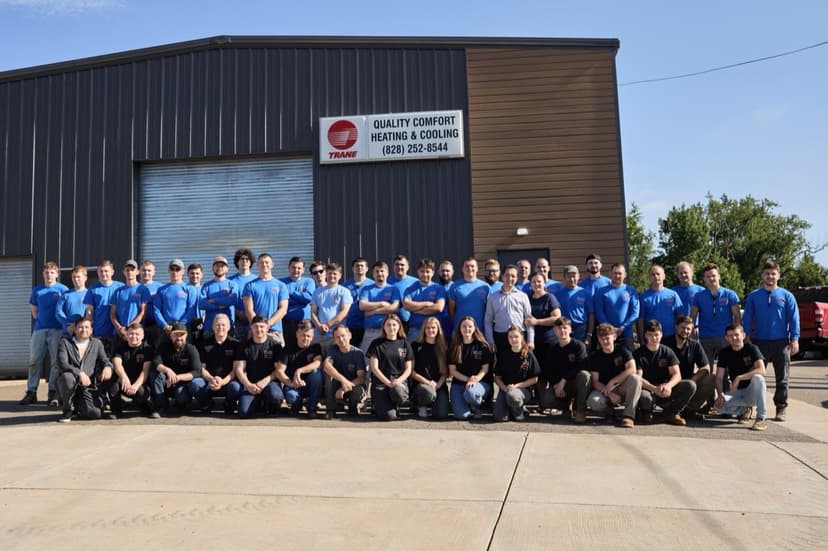
Serving Columbus
- 55 minutes south from our Asheville office
- Same-day appointments available
- 24/7 emergency response
- NATE-certified technicians
- Free estimates on installations
- Financing available, subject to credit approval
Neighborhoods We Serve
Downtown Columbus · Sunny View · Mill Spring · Green Creek · Cooper Gap
Need help now?
(828) 252-8544
NATE-certified. Locally owned. Serving Western NC since 2005.
FAQ
Frequently Asked Questions About What Is HVAC? — Heating, Ventilation & Air Conditioning in Columbus
Related Services
Helpful Guides
Central Air Conditioner Guide
How central AC works, what it costs, and how to choose the right system for your home.
How Long Do AC Units Last?
AC unit lifespan, signs it's failing, and when replacement makes more sense than repair.
SEER Rating Explained
What is SEER2 and how does it affect your energy bills? Plain-English guide from Quality Comfort.
What Size AC Unit Do I Need?
How to determine the right AC size for your home — and why getting it wrong costs you.
Need What Is HVAC? — Heating, Ventilation & Air Conditioning in Columbus?
Quality Comfort is 55 minutes south away. Call today for fast, professional service.