




What MERV Rating Do I Need? — Air Filter Guide in Columbus, NC
MERV ratings demystified — find the filter rating that balances air quality and system performance for your HVAC. Proudly serving Columbus & Polk County.
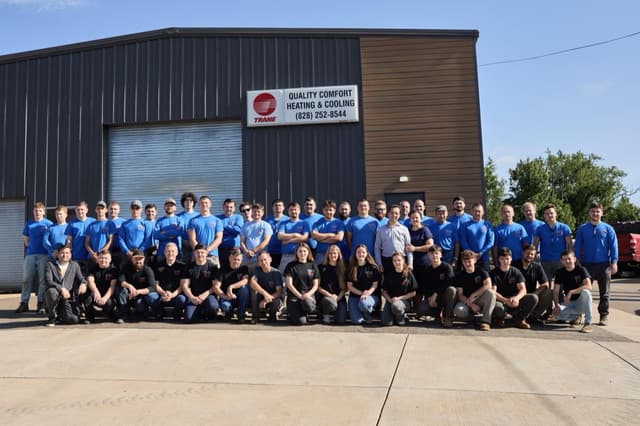
Professional What MERV Rating Do I Need? — Air Filter Guide in Columbus, NC
When you need what merv rating do i need? — air filter guide in Columbus, NC, Quality Comfort Heating & Cooling is just 55 minutes south from our Asheville headquarters — meaning fast response times and reliable service. We've been the NATE-certified team that Columbus area residents trust since 2005.
Quality Comfort serves Columbus and Polk County with professional heating and cooling services. From the county seat's established neighborhoods to rural properties throughout the area, we provide expert HVAC installation, repair, and maintenance designed for the foothills climate where summer cooling demands are higher than the surrounding mountains.
As the Polk County seat, Columbus sits at the transition between the Blue Ridge foothills and the mountain uplands. Like nearby Tryon, the thermal belt effect keeps winters milder than communities at similar elevations farther north. However, summer heat and humidity are more intense here, making proper AC sizing and dehumidification critical. Many rural Columbus-area homes rely on propane or electric heating since natural gas service is limited outside the town center.
MERV Ratings Explained Simply
MERV stands for Minimum Efficiency Reporting Value and rates an air filter's ability to capture particles on a scale of 1–20. Higher numbers catch smaller particles. But here's what filter companies don't tell you: higher isn't always better. A filter that's too restrictive for your system reduces airflow, strains the blower motor, and can cause your AC to freeze or your furnace to overheat. The goal is the highest MERV your system can handle without airflow problems.
The MERV Sweet Spots
MERV 1–4 (fiberglass): Catches large debris only. Protects equipment but does almost nothing for air quality. Not recommended. MERV 8: Catches dust, pollen, mold spores, and pet dander. Good baseline for most homes. This is our minimum recommendation. MERV 11: Catches everything MERV 8 does plus smaller particles, dust mite debris, and some bacteria. Excellent for allergy sufferers in WNC's pollen-heavy environment. Best balance of filtration and airflow for most residential systems. MERV 13: Catches very fine particles including some viruses and smoke. Only use if your system is designed for it or you have a media filter cabinet.
How to Know What Your System Can Handle
The limiting factor is static pressure — the resistance the filter creates against airflow. Most residential HVAC systems are designed for 0.5" of water column total static pressure, and the filter is only one component. A MERV 8 filter typically adds 0.1–0.15" and a MERV 13 adds 0.2–0.35". If your ductwork is already restrictive (undersized, long runs, many bends), a high-MERV filter could push total static pressure over the limit. A technician can measure your system's static pressure during a maintenance visit and advise on the maximum MERV rating.
The 4-Inch Filter Advantage
If air quality is a priority, the best upgrade isn't a higher MERV — it's a thicker filter. A 4" MERV 11 filter has four times the surface area of a 1" MERV 11, meaning it filters just as well with far less airflow restriction. Media filter cabinets that hold 4" or 5" filters can be added to most systems. They filter better, restrict airflow less, and last 6–12 months instead of 1 month. Ask Quality Comfort about filter upgrades during your next service visit.
HVAC Challenges in Columbus
As the Polk County seat, Columbus sits at the transition between the Blue Ridge foothills and the mountain uplands. Like nearby Tryon, the thermal belt effect keeps winters milder than communities at similar elevations farther north. However, summer heat and humidity are more intense here, making proper AC sizing and dehumidification critical. Many rural Columbus-area homes rely on propane or electric heating since natural gas service is limited outside the town center.
Seasonal Tip for Columbus Homeowners
Columbus homeowners with propane furnaces should lock in propane prices early in summer when rates are lowest. Schedule your furnace inspection at the same time as a propane delivery in September — catching issues early saves both emergency repair costs and fuel waste from an inefficient system.

Serving Columbus & Polk County
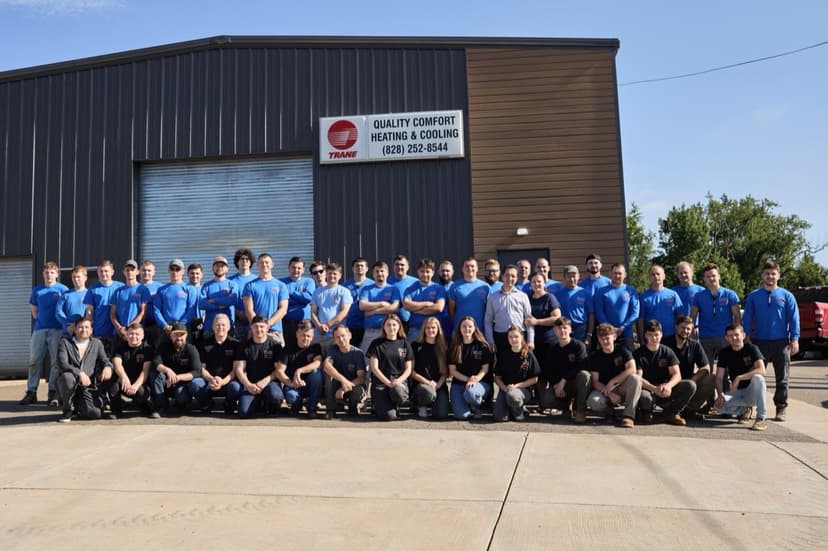
Serving Columbus
- 55 minutes south from our Asheville office
- Same-day appointments available
- 24/7 emergency response
- NATE-certified technicians
- Free estimates on installations
- Financing available, subject to credit approval
Neighborhoods We Serve
Downtown Columbus · Sunny View · Mill Spring · Green Creek · Cooper Gap
Need help now?
(828) 252-8544


NATE-certified. Locally owned. Serving Western NC since 2005.
FAQ
Frequently Asked Questions About What MERV Rating Do I Need? — Air Filter Guide in Columbus
Need What MERV Rating Do I Need? — Air Filter Guide in Columbus?
Quality Comfort is 55 minutes south away. Call today for fast, professional service.