



Geothermal HVAC Systems in Columbus, NC
Geothermal heating and cooling installation, repair, and service — the most efficient HVAC technology available. Proudly serving Columbus & Polk County.
Professional Geothermal HVAC Systems in Columbus, NC
When you need geothermal hvac systems in Columbus, NC, Quality Comfort Heating & Cooling is just 55 minutes south from our Asheville headquarters — meaning fast response times and reliable service. We've been the NATE-certified team that Columbus area residents trust since 2005.
Quality Comfort serves Columbus and Polk County with professional heating and cooling services. From the county seat's established neighborhoods to rural properties throughout the area, we provide expert HVAC installation, repair, and maintenance designed for the foothills climate where summer cooling demands are higher than the surrounding mountains.
When it comes to cooling in Columbus, the local conditions matter. As the Polk County seat, Columbus sits at the transition between the Blue Ridge foothills and the mountain uplands. Like nearby Tryon, the thermal belt effect keeps winters milder than communities at similar elevations farther north. However, summer heat and humidity are more intense here, making proper AC sizing and dehumidification critical. Many rural Columbus-area homes rely on propane or electric heating since natural gas service is limited outside the town center. Our AC technicians understand these Columbus-specific factors and size every repair and recommendation accordingly.
Geothermal HVAC systems use the stable temperature of the earth to heat and cool your home, delivering 300–500% efficiency — far beyond any conventional system. Quality Comfort provides geothermal system consultation, installation, and service for homeowners across Western North Carolina.
How Geothermal Heating & Cooling Works
A geothermal system (also called a ground-source heat pump) circulates fluid through underground loops to exchange heat with the earth. In winter, the system extracts heat from the ground (which stays around 55°F year-round in WNC) and transfers it to your home. In summer, the process reverses — removing heat from your home and depositing it underground. The result is extraordinarily efficient heating and cooling with no outdoor compressor, no combustion, and minimal noise.
Geothermal System Types
There are several geothermal loop configurations: horizontal loops (trenches dug 4–6 feet deep across your yard), vertical loops (boreholes drilled 150–300 feet deep — ideal for smaller lots), pond/lake loops (if you have a nearby body of water), and open-loop systems that use well water. Quality Comfort evaluates your property, soil conditions, and available space to recommend the best loop design.
Geothermal Benefits for WNC Homes
Western North Carolina's moderate climate is ideal for geothermal. Benefits include: energy savings of 40–70% compared to conventional systems, consistent comfort with no temperature swings, extremely long system life (ground loops last 50+ years, indoor units 20–25 years), near-silent operation, and no outdoor equipment exposed to weather. Many geothermal installations also provide free hot water as a byproduct of cooling.
Geothermal Costs & Incentives
Geothermal systems cost more upfront than conventional HVAC — typically $15,000–$35,000 depending on system size and loop type. The payoff comes from dramatically lower operating costs and a ground loop that lasts 50+ years, so most homeowners see a payback period of 5–10 years. Income-eligible households may also qualify for whole-home efficiency rebates through Energy Saver NC (HOMES).
Is Geothermal Right for Your Home?
Geothermal works best for homes with adequate lot space for loop installation, homeowners planning to stay long-term (to recoup the investment), new construction or major renovation projects, and homes with high heating and cooling bills. Call Quality Comfort at (828) 252-8544 for a free geothermal consultation.
HVAC Challenges in Columbus
As the Polk County seat, Columbus sits at the transition between the Blue Ridge foothills and the mountain uplands. Like nearby Tryon, the thermal belt effect keeps winters milder than communities at similar elevations farther north. However, summer heat and humidity are more intense here, making proper AC sizing and dehumidification critical. Many rural Columbus-area homes rely on propane or electric heating since natural gas service is limited outside the town center.
Seasonal Tip for Columbus Homeowners
Columbus homeowners with propane furnaces should lock in propane prices early in summer when rates are lowest. Schedule your furnace inspection at the same time as a propane delivery in September — catching issues early saves both emergency repair costs and fuel waste from an inefficient system.

Serving Columbus & Polk County
Serving Columbus
- 55 minutes south from our Asheville office
- Same-day appointments available
- 24/7 emergency response
- NATE-certified technicians
- Free estimates on installations
- Financing available, subject to credit approval
Neighborhoods We Serve
Downtown Columbus · Sunny View · Mill Spring · Green Creek · Cooper Gap
Need help now?
(828) 252-8544
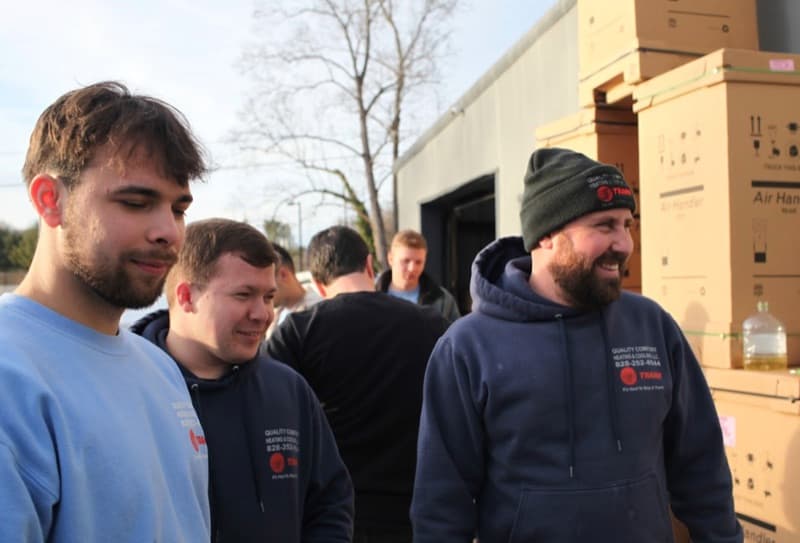
NATE-certified. Locally owned. Serving Western NC since 2005.
FAQ
Frequently Asked Questions About Geothermal HVAC Systems in Columbus
Related Services
Helpful Guides
Central Air Conditioner Guide
How central AC works, what it costs, and how to choose the right system for your home.
How Long Do AC Units Last?
AC unit lifespan, signs it's failing, and when replacement makes more sense than repair.
SEER Rating Explained
What is SEER2 and how does it affect your energy bills? Plain-English guide from Quality Comfort.
What Size AC Unit Do I Need?
How to determine the right AC size for your home — and why getting it wrong costs you.
Need Geothermal HVAC Systems in Columbus?
Quality Comfort is 55 minutes south away. Call today for fast, professional service.